Introduction
There is a continuous development taking place in the pharmaceutical industry that results in the demand for manufacturing facilities having high production capacity, increased efficiency, and proper quality control measures. The expansion of operations becomes necessary as the business expands and this leads to the need for upgrade of existing infrastructural facilities or development of new production facilities.
Pharmaceutical Manufacturing Facility Expansion is a complex process which involves evaluation of cleanroom design, HVAC system, equipment layout, material handling system, among others before commencement of the construction process.
Planning for the development of a new pharmaceutical manufacturing facility will benefit the manufacturers by increasing production capacity and improving efficiency.
Why Do Pharmaceutical Facilities Need Expansion?
The manufacture of pharmaceuticals may require the addition of extra space due to the increase in demand, growth of products, or increased complexity of manufacturing operations.
Some of the common causes of expansion include:
- Increasing production capacity to cater for market demands.
- Introduction of new pharmaceutical products or manufacturing operations.
- Development of additional clean rooms.
- Modernization of old infrastructure and machines.
- Efficiency in the production process.
- Change in quality and regulations.
Before embarking on any Pharmaceutical Manufacturing Facility Expansion project, the manufacturer must consider the current infrastructure and production constraints.
Important Planning Considerations for Facility Expansion
1. Evaluate Existing Infrastructure
Pharmaceutical Manufacturing Facility Expansion involves first assessing the current manufacturing facility. This helps determine the current capacity limitation and which parts of the facility may need expansion or modifications.
It is important to assess the following factors:
- Current cleanroom classification and layout.
- Current HVAC capacity and air distribution.
- Electrical and utilities needs.
- Installation space for equipment.
- Movement of personnel and materials.
- Current production capacity.
Infrastructure assessment also helps in determining if expansion will be possible inside the existing building or it will involve more construction.
2. Plan an Efficient Cleanroom Layout
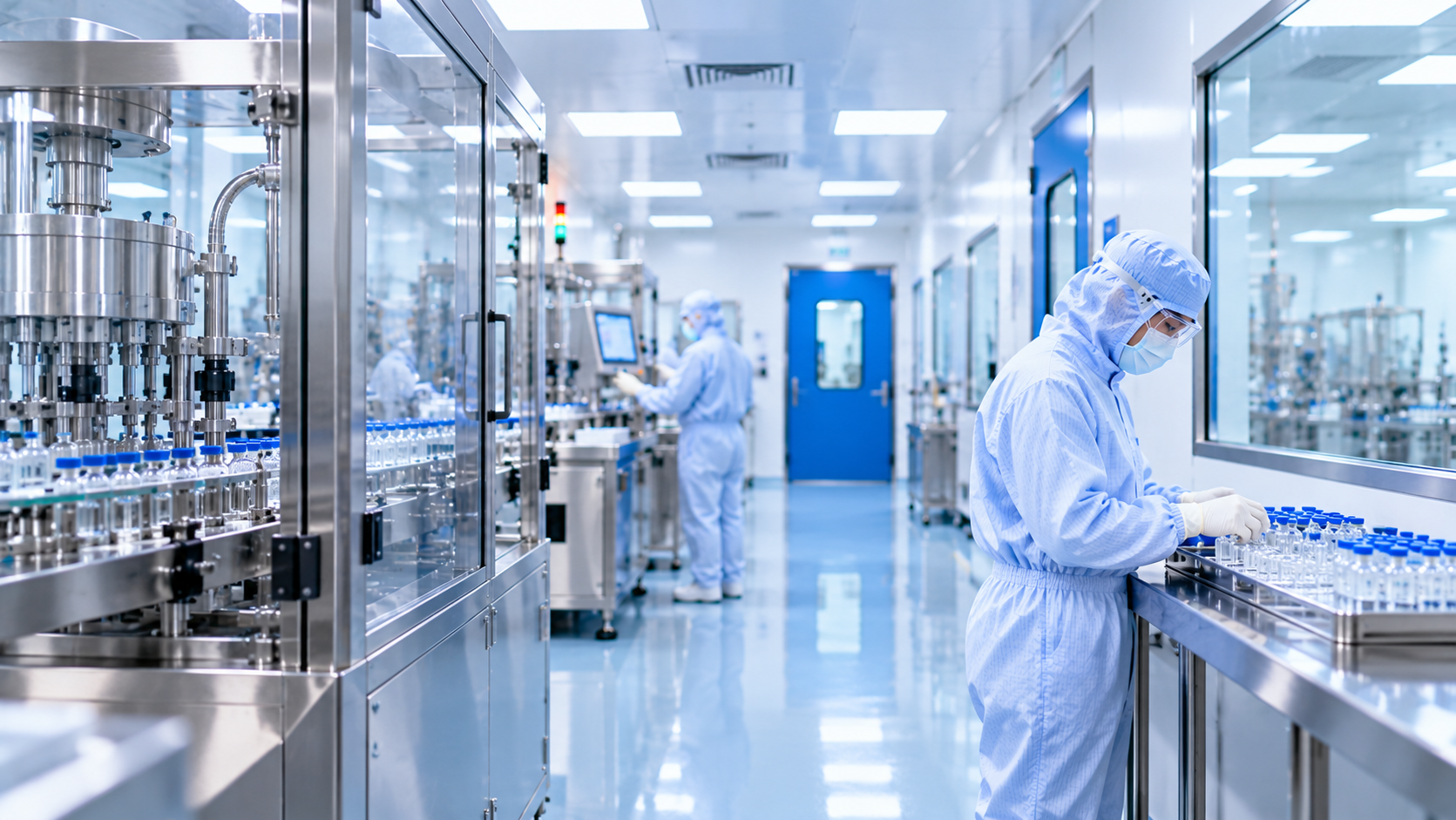
Clean room layout design is very important to maintain contamination control and efficient manufacturing operations.
The increased clean room should consist of areas dedicated for various manufacturing functions such as raw materials storage, dispensing, manufacturing, equipment preparations, packaging, and quality assurance.
Some of the considerations for layout design include:
- Separation of controlled manufacturing area.
- Methods of personnel entry and exit.
- Paths for moving materials.
- Provision of airlocks and pass boxes.
- Positioning of equipment.
- Availability of space for cleaning and maintenance work.
In a Pharmaceutical Manufacturing Facility Expansion, the new layout must also be incorporated with existing processes.
3. Upgrade HVAC and Air Filtration Systems
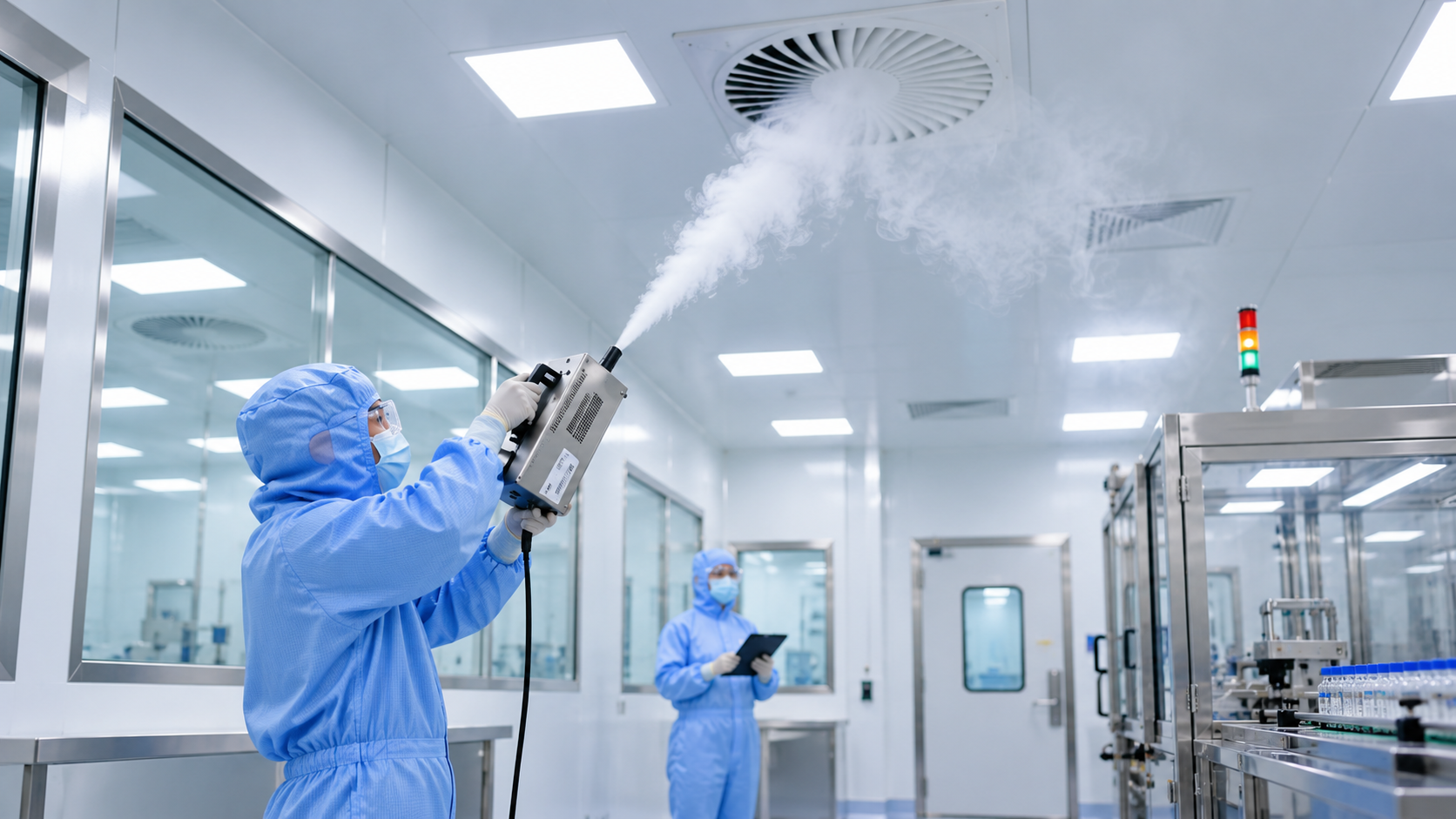
HVAC systems play a critical role in controlling environmental conditions at pharmaceutical manufacturing sites.
As production areas are enlarged, the existing HVAC system will need to be reevaluated to see if it will be able to accommodate the new area and equipment.
Some key considerations are:
- Proper capacity of air handling.
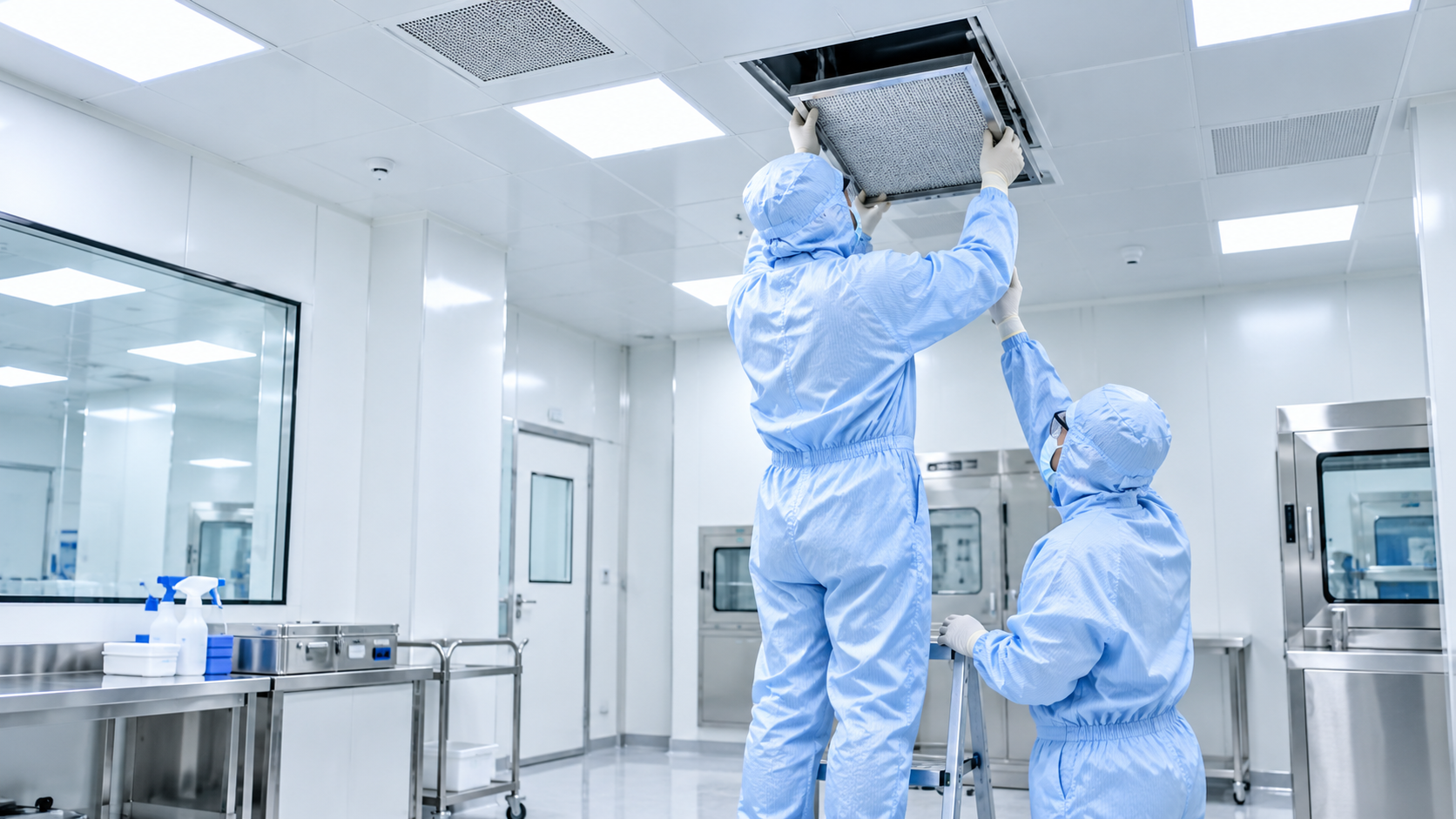
- HEPA filter requirement.
- Room differential pressures.
- Temperature and humidity control.
- Proper air distribution.
- Access for filter inspection and maintenance.
The needs of the HVAC system have to be determined based on engineering analysis and process consideration. Increased capacity of the existing system will not always assure proper airflow or performance.
4. Select Suitable Cleanroom Construction Materials
The choice of materials for the cleanroom plays an important role in determining its cleanliness, durability, and maintenance.
In the context of the “Pharmaceutical Manufacturing Facility Expansion,” there is a need to choose such materials that will be conducive for cleaning and suitable for the manufacturing process.
Some important aspects in this regard include:
- Wall panels that are smooth and non-shedding.
- Flooring material for the cleanroom.
- Sealing of wall and ceiling joints.
- Suitable doors and windows for the cleanroom.
- Ceiling and partition material.
- Materials that are resistant to the approved cleaning agents.
5. Plan Pharmaceutical Utilities and Equipment
Manufacturing of medicines would need reliable utility services that help in the continuous operation of the plant. The expansion project will need to assess the extra load on the utility services.
The utility requirements depend on the manufacturing processes but may include purified water, compressed air, electrical power, process gases, drainage, among others.
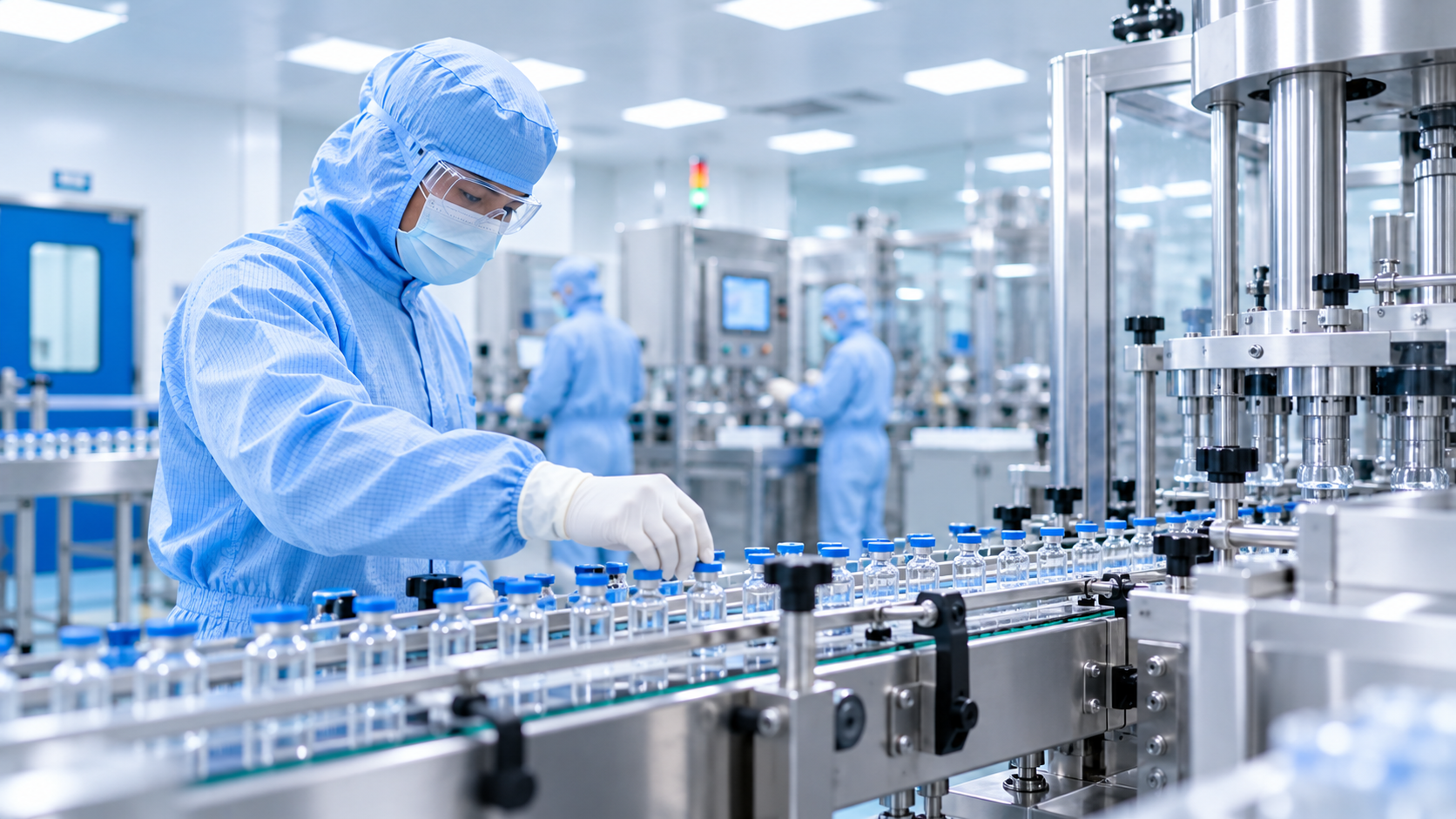
The equipment will require enough room for operation, cleaning, maintenance and movement of materials.
This would help avoid any problems in the future due to inadequate capacity of the utility services. It will also make the commissioning process much easier.

Good Manufacturing Practice (GMP) Requirements during Facility Expansion
The GMP requirements have to be adhered to at all stages of the facility expansion process. Modifications to the facility should not affect the quality and manufacturing processes of the products being manufactured.
Important activities include:
- Evaluation of impact assessment of proposed facility change.
- Review of cleanroom classification requirements.
- Definition of equipment qualification requirements.
- Preparation of HVAC testing and validation plan.
- Revisions in standard operating procedures.
- Documentation for construction and commissioning.
Design Qualification (DQ), Installation Qualification (IQ), Operational Qualification (OQ), and Performance Qualification (PQ) should be carried out as per the respective systems involved and project scope where necessary.
Current manufacturing facilities would also require control during construction to avoid contamination due to dust, noise, and other construction related contaminants.
Common Challenges During Pharmaceutical Facility Expansion
Some of the potential issues that may arise during expansion of a pharmaceutical plant include:
Scarcity of available space: Addition of production rooms in an already constructed building will need adjustments in the layout.
Constraints in HVAC system: The existing ventilation system might lack the capability of adding more rooms.
Disruptions in the manufacturing process: There will be disturbances in the manufacturing process due to construction activity.
Utility constraints: There will be increased demands on electricity, water, and other important utilities.
Documentation related to regulatory requirements: Any changes made to the manufacturing and the facility will need documentation and approval.
Recognition of these problems at an early stage will help in formulating appropriate solutions.
Conclusion
It is essential to coordinate planning for the expansion of pharmaceutical facilities with the clean room layout, HVAC engineering, building material selection, utilities, equipment, and GMP issues.
The properly managed Pharmaceutical Manufacturing Facility Expansion allows businesses to expand their production capacity and ensure proper environmental control and manufacturing standards.
Assessing existing facilities and planning a clean room layout and engineering before building the facility will allow the pharmaceutical industry to build facilities for their expansion.