Introduction
The control of contamination is important in the pharmaceutical industry, as the quality of pharmaceutical products are impacted by particles, microorganisms, remains, and other pollutants. An effective contamination control strategy used in cleanrooms helps manufacturers to detect contamination problems, take preventive measures, as well as to secure proper conditions for manufacturing.
The cleanroom contamination strategy is more than simply cleaning the floor and installing air filters. A systematic approach that considers such factors as the design of the cleanroom, efficiency of the HVAC systems, employee movement, and equipment and materials transfer should be taken into account.
In the case of pharmaceutical products, applying cleanroom contamination control strategy should help in solving issues related to contamination and support compliance with good manufacturing practices. All steps of the strategy should be relevant to the specific plant and the risks it faces.
What Is a Cleanroom Contamination Control Strategy?
A contamination control strategy for clean rooms is a plan for monitoring, preventing, and managing contaminants in controlled manufacturing areas.
Making use of engineering controls, procedural controls, personal behavior, and monitoring measures makes it possible to achieve the required degree of cleanliness.
A contamination control strategy should consider all sources of contamination and how each one will be monitored.
The contamination control strategy outlines responsibilities and measures of contamination and corrective action plans. Furthermore, the contamination control strategy should also include individual controls and their interactions.
For instance, HEPA filtration will eliminate airborne contamination while proper gowning will prevent contamination through individual persons.
Common Sources of Cleanroom Contamination
Understanding the sources of contamination is the first step in creating a successful cleanroom contamination control program.
1. Contamination from Personnel
Personnel-caused contamination can result from skin shedding, clothing, movement, or touching surfaces. To minimize such contamination, the use of proper gowns, washing hands, training, and controlling the entrance of personnel is essential. It is also important for the personnel to follow moving patterns and perform only necessary operations in clean areas.
2. Airborne Particles and Microorganisms
Airborne contaminants may contaminate the cleanroom from personnel, equipment, materials, and actions occurring in and outside the cleanroom area. Proper ventilation, filtration, airflow, and monitoring may help to reduce the risk of airborne contamination.
3. Equipment and Material
Contamination can also be contributed by surfaces of equipment, packaging materials, tools, and raw materials if cleaning and transportation are not sufficient.
4. Surfaces of Cleanrooms and Their Utilities
When surfaces of cleanrooms are not maintained adequately, contamination may occur due to cracked panels on walls, cracks and lack of maintenance in flooring and improperly sealed joints.
Cleanrooms undergo inspections and preventive maintenance, ensuring required construction quality for their services.
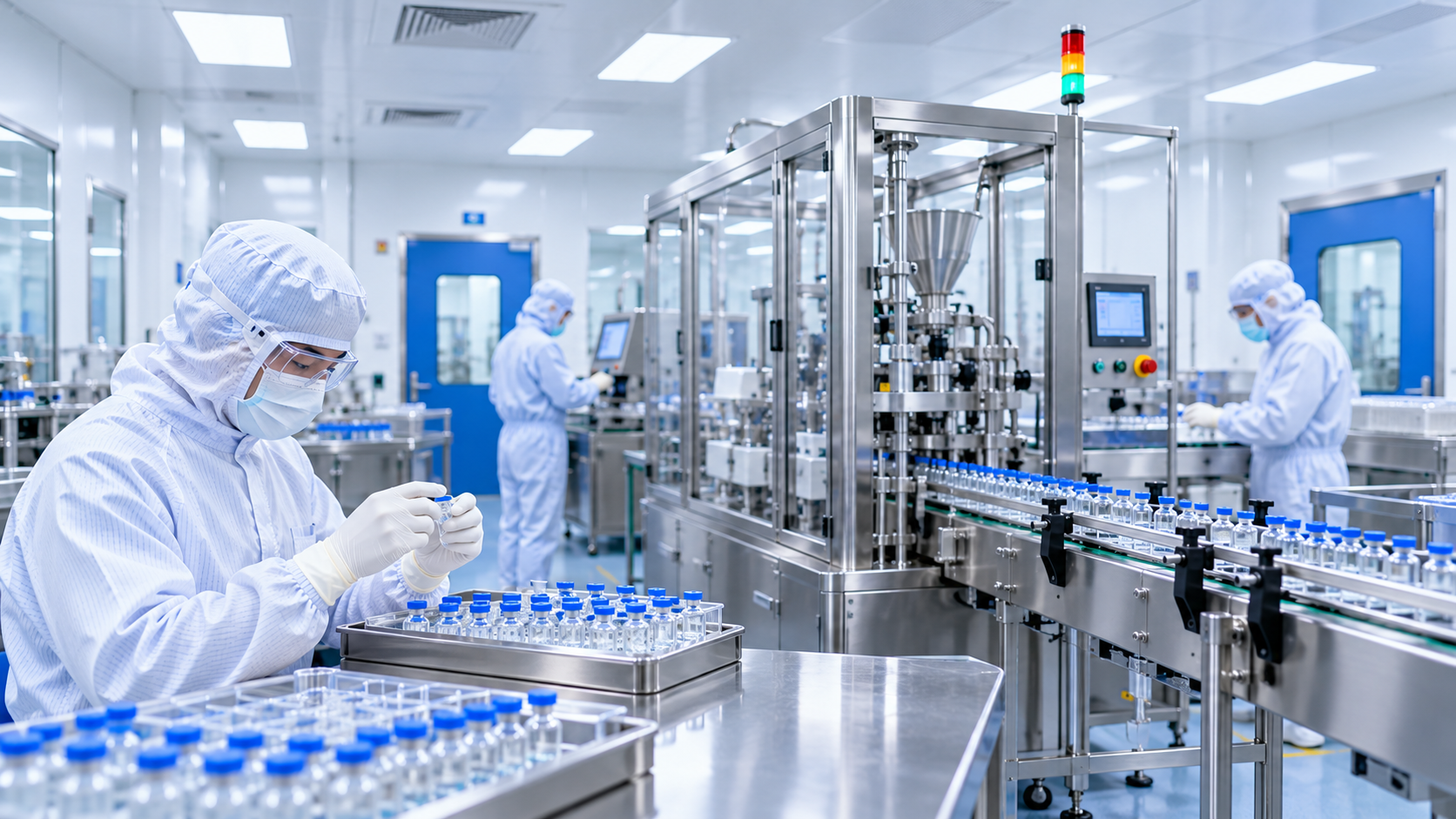
Elements of the Effective Cleanroom Contamination Strategy
1. Proper Classification of Cleanroom
The classification of cleanroom must comply with manufacturing operations and the required level of environmental control.
Cleanrooms are classified according to airborne particle concentration in compliance with ISO 14644-1. In the pharmaceutical sphere, manufacturers must determine the necessities of cleanrooms through risk assessment.
Such classifications depend on products’ sensitivity, processing conditions, workers activities, and regulatory requirements.
2. Optimise HVAC and Airflow Performance
HVAC plays a fundamental role in the interactions of temperature, humidity, airflow, and pressure, where the effectiveness of filtration systems and the proper distribution of air contribute to minimizing contamination issues if designed and used appropriately. Some key operations may include:
- Checking the pressure inside the room wherever necessary.
- Providing adequate humidity and temperature.
- Checking on the filtration systems and making necessary changes as required.
- Evaluating air flow patterns in the essential areas.
- Scheduling preventive maintenance operations according to the approved protocols.
Keeping in mind contamination control in cleanroom situations, monitoring parameters of HVAC systems should be outlined, and any outstanding situations should be appropriately addressed.
3. Applying Cleaning and Disinfecting Measures
Cleaning and disinfecting operations may prove to be effective against surface contamination and microbiological risks.
Cleaning operations must be established according to the regular schedule, types of disinfectants pre-approved, proper use of the disinfectants, and assigned responsibilities of personnel.
This involves:
- Cleaning the floors, walls, equipment, and surfaces.
- Using correct concentration of disinfectants for a given service and time.
- Using proper tools and types of chemicals for cleaning activities.
- Applying sporicides in cases when contamination risk warrants it.
4. Control Personnel and Material Movement
Appropriate procedures and routes must be used in accessing controlled areas by both personnel and materials.
The gowning facilities, material transfer methods, pass boxes, and controlled access routes should help avoid contamination.
Manufacturers must create adequate or segregated routes for materials, personnel, and waste in accordance to the design and risk management of the facility.
The justification for implementing these controls must be thoroughly explained.
5. Conduct Environmental Monitoring
Environmental monitoring is very important for cleanroom operation and allows to detect possible contamination.
Depending on the particular process, monitoring may include measuring the presence of airborne particles, viable microorganisms, and some other indicators.
The monitoring plan must determine sampling locations, methods of measurements and acceptance criteria.
The data will be analyzed in a proper way and in terms of trends.
Documentation and Continuous Improvement
The procedure for controlling contamination in a cleanroom must be supported by the relevant documentation.
Such documentation might consist of cleaning logs, data regarding environmental surveillance, information about equipment maintenance, training records, information about deviations from the required procedures, results of investigations, and measures taken to correct the situation.
The effectiveness of the control measures should be reviewed periodically due to changes in production, equipment, or building.
Pharmaceutical companies should be aware of all GMP and ISO 14644 standards which may be applicable to their industry.
Conclusion
A successful strategy for contamination control in cleanrooms needs to integrate building design, HVAC systems operation, cleanliness standards, personnel practices, material management, and monitoring.
The control measures used in pharmaceutical companies should be created based on the risk assessment results and product requirements.
Manufacturers will be able to prevent contamination and achieve the required level of production only if they regularly review and improve their systems.