A Complete Guide to GMP-Compliant Cleanroom Planning and Design
Planning and engineering go into making a GMP clean room. The pharmaceutical, biotechnology, medical device, healthcare, and many other industries require a clean environment for their products to ensure their quality and avoid any risk of contamination.
A GMP clean room is more than just an equipped room with filtering system.It is an engineered space where airflow, temperature, humidity, pressure, sterility, material, machines, and human traffic are all controlled. Effective planning during the early stages can contribute to greater efficiency.
What Is a GMP-Compliant Cleanroom?
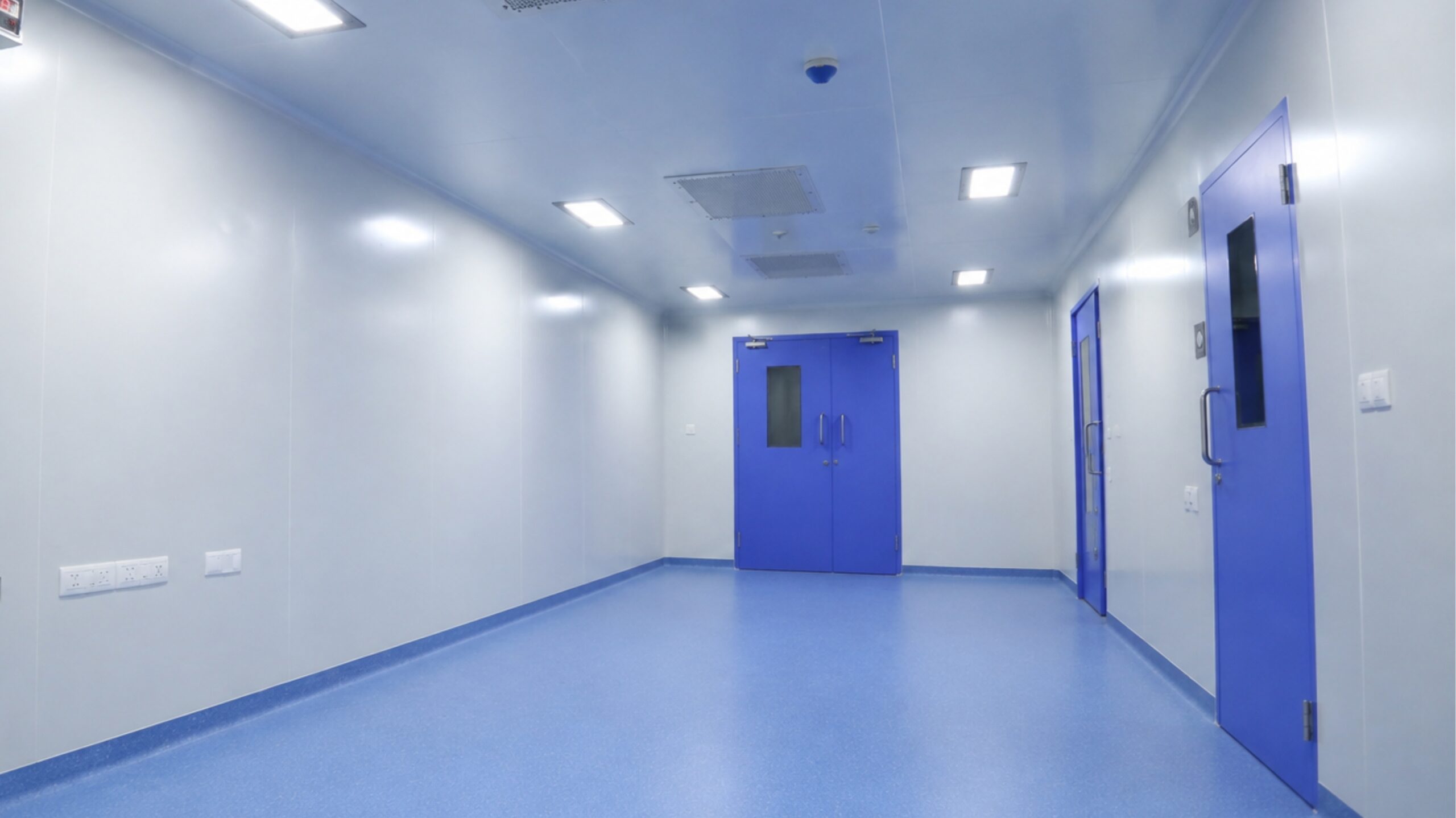
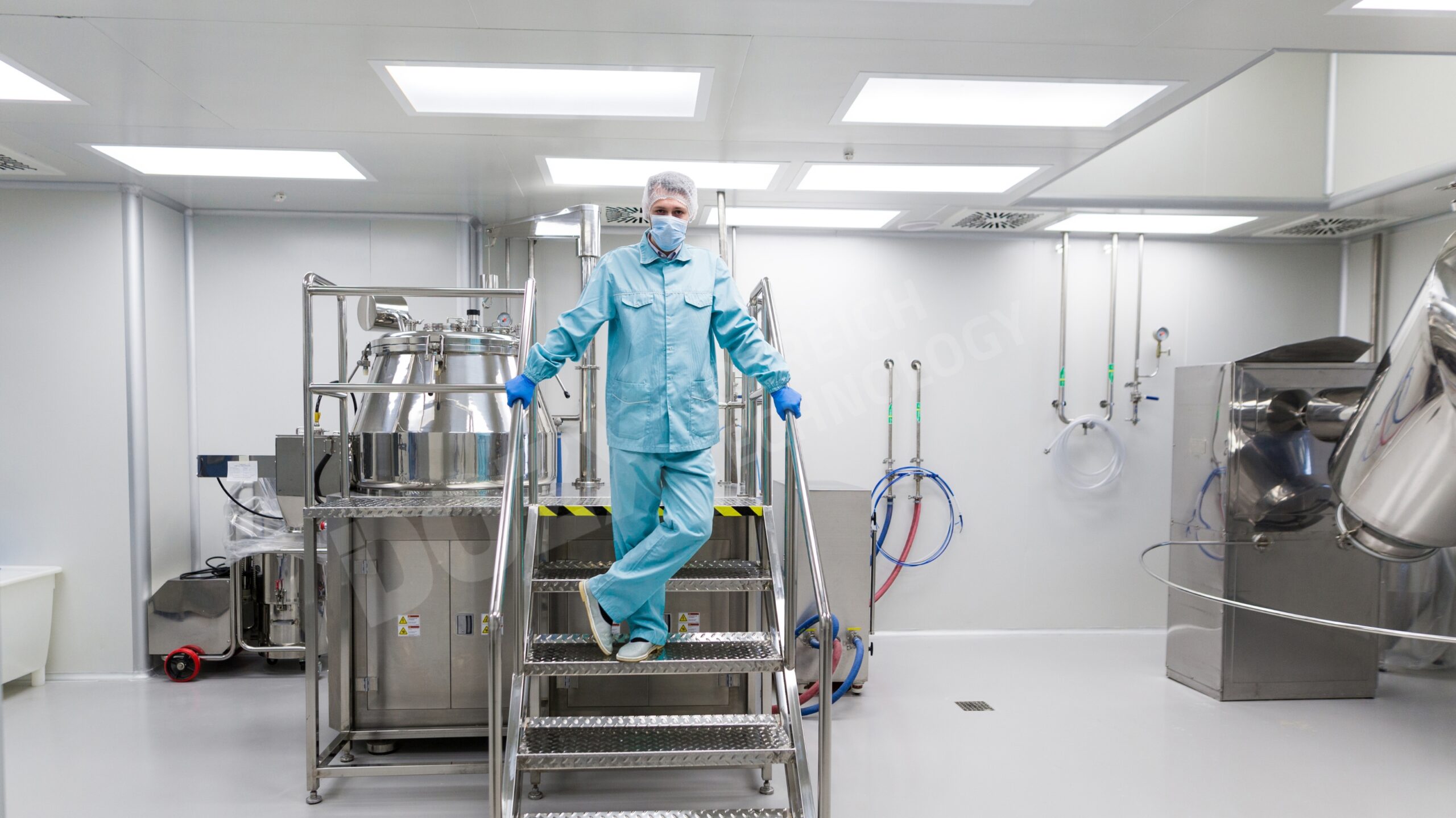
GMP cleanroom is a well-designed room that follows Good Manufacturing Practice. The purpose of GMP cleanroom is to provide a controlled environment and protect from contamination in the manufacturing process.
The needs of a GMP cleanroom vary with the type of the product, the process used for manufacturing, level of cleanroom class, and many other factors. That is why it is necessary to design every project based on its particular needs.
1. Understand the Manufacturing Process
The first thing to consider while designing the GMP compliant clean room is the manufacturing process itself. In other words, the design team has to assess the products, raw materials, machinery, and processes involved in the clean room.
A GMP-compliant clean room should take into consideration:
- Manufacturing processes
- Flow of the products and raw materials
- Movement of people
- Machinery needs
- Cleanliness criteria
- Temperature and humidity
- Pressure differences
- Cleaning criteria
- Maintenance criteria
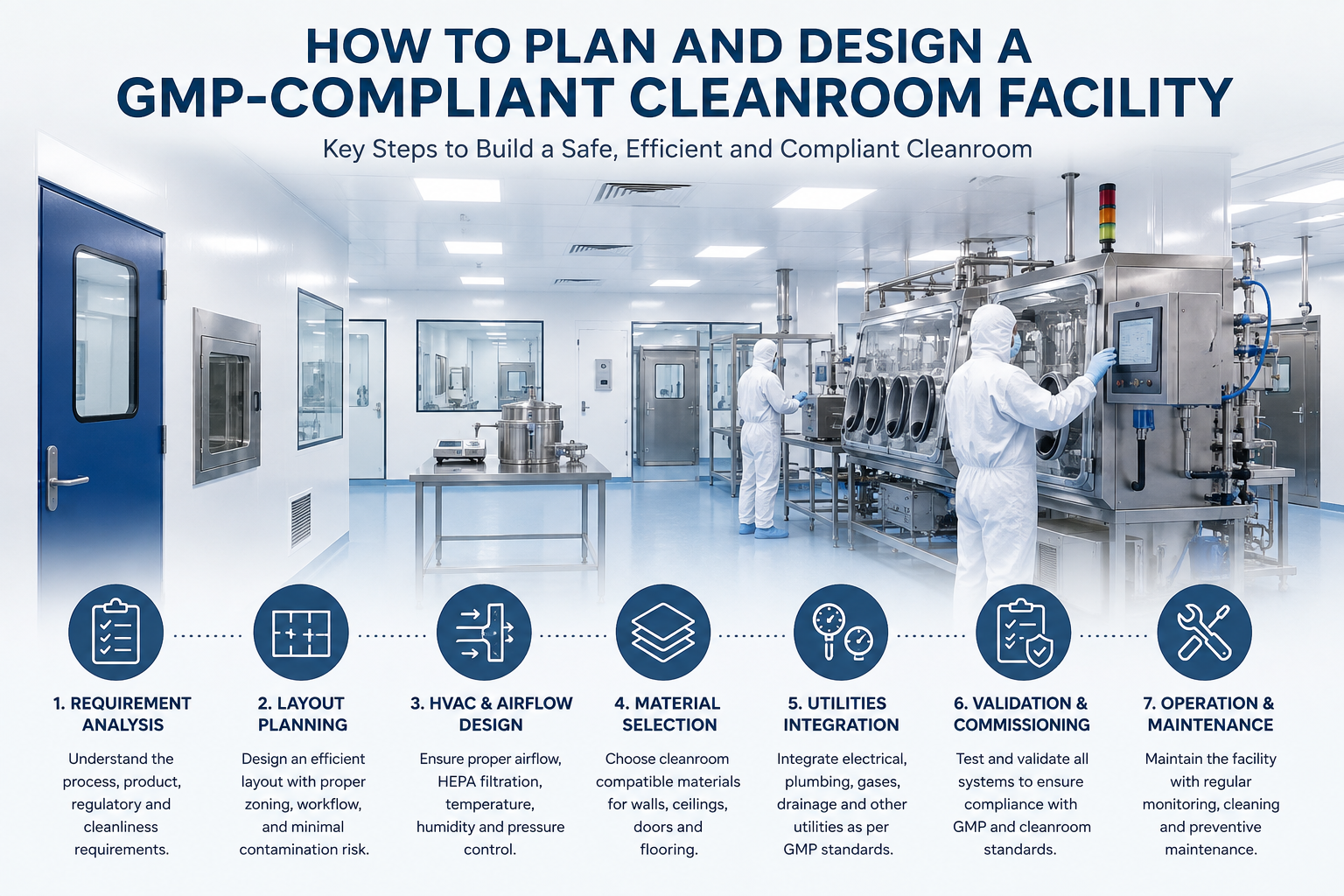
2. Plan an Efficient Cleanroom Layout
The layout is very significant in the effectiveness of a GMP-compliant cleanroom. Movement paths must be provided for personnel, raw materials, equipment, products, and waste.
Properly designed GMP-compliant cleanrooms can be composed of changing rooms, airlocks, pass boxes, material transfer facilities, controlled corridors, production rooms, and support facilities.
The layout will minimize unnecessary movement and prevent contamination. The design of the layout must also include space for cleaning, equipment maintenance, servicing, and further expansion.
3. Design the HVAC System
HVAC system is among the most critical components of a GMP-compliant cleanroom. This system aids in controlling temperature, humidity, airflow, room pressure, and air quality.
GMP-compliant cleanroom HVAC system can include:
- Air handling units
- HEPA filters
- Fan filter units
- Ducting systems
- Dampers
- Chillers
- Pumps
- Dehumidification systems
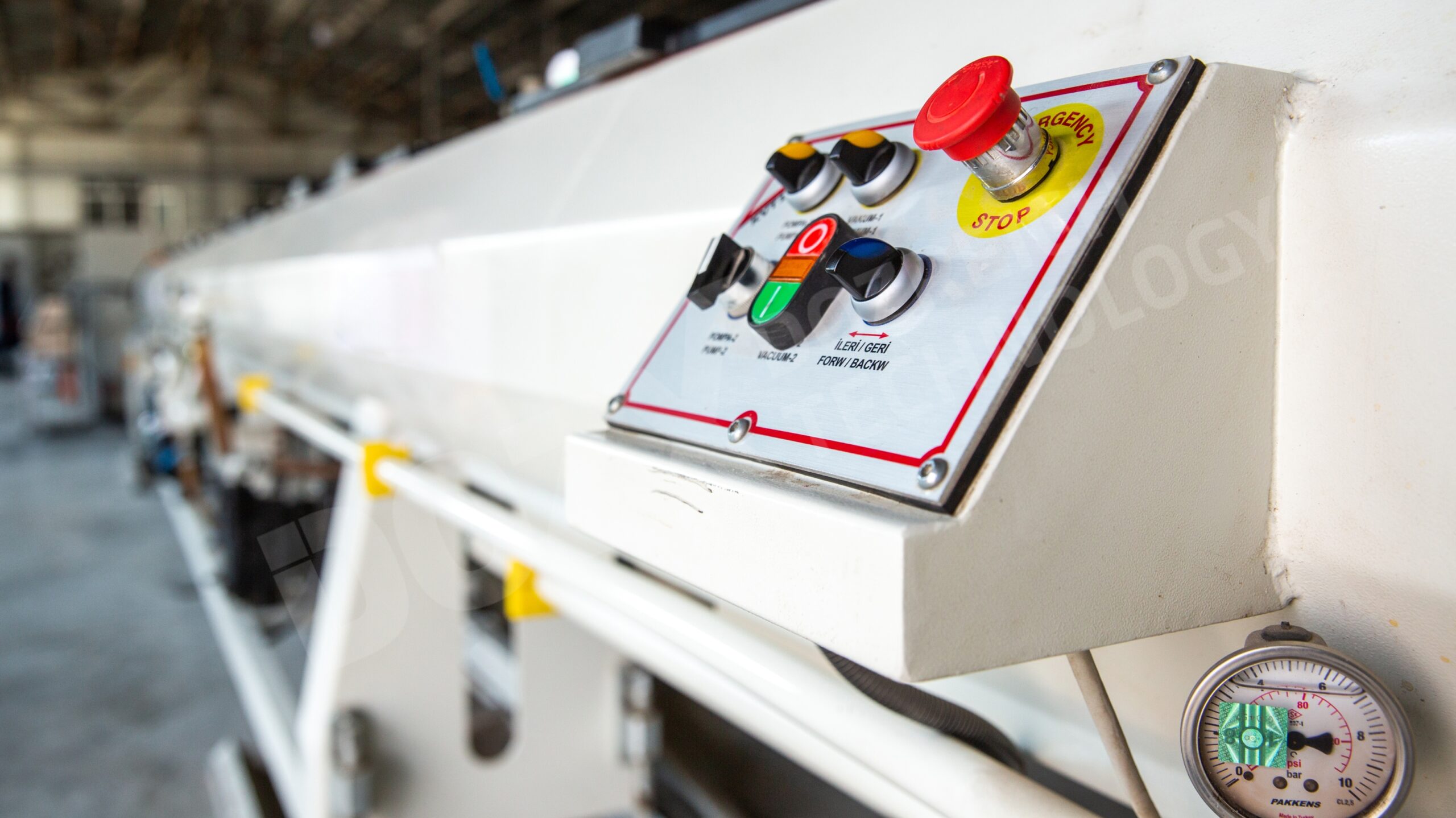
- Automated controls
The HVAC design for a GMP-compliant cleanroom should consider room classification, occupancy, processes, heat load, airflow, and pressure.
4. Select Suitable Cleanroom Materials
Materials used in a GMP-compliant cleanroom must be robust, hygienic, and appropriate for the particular purpose.
Walls, ceilings, doors, windows, and flooring will create cleanable smooth surfaces. Other factors that must influence selection of materials include moisture, chemical, cleaning agent, and regular maintenance resistance.
Modular systems are very helpful in designing GMP-compliant cleanrooms that might need modification and expansion in the future.
5. Control Airflow and Pressure
Airflow and pressure control is very important in a GMP-compliant cleanroom. Appropriate pressure differentials will be necessary in order to control the flow of air between areas having different levels of cleanliness.
The pressure cascade should be established at the design phase. Doors, airlocks, HVAC systems, return-air systems, and monitoring systems must work together to provide required conditions.
Well-designed GMP-compliant cleanroom will include proper monitoring systems to detect environmental variations.
6. Integration of MEP and Utility Systems
A GMP-compliant cleanroom needs electrical, mechanical, plumbing, and other utility systems to work in concert with each other. These systems include electrical distribution, lighting, drainage, fire protection, compressed air, process gases, piping, etc.
Proper integration of these systems during planning phase would avoid any clashes during installation. The integration also simplifies the maintenance of a GMP-compliant cleanroom throughout its lifetime.
7. Consider GMP Requirements at the Design Stage
GMP requirements need to be considered at the beginning of a GMP-compliant cleanroom project rather than at the end of construction phase.
The facility design, movement of personnel and materials, equipment installation, cleaning practices, environmental monitoring, documentation, maintenance, etc. of the facility need to be planned in such a way that they meet the quality goals of the facility.
Considering all these requirements at the beginning can help in avoiding any expensive changes later.
8. Plan Qualification and Validation Process
Once the GMP-compliant cleanroom is constructed, it needs to prove that it meets the specified requirements through qualifying the critical systems.
The qualifying activities depending upon the project may include:
- HEPA filters testing
- Airflow test
- Air change rate testing
- Pressure differential test
- Temperature and humidity testing
- Particulate monitoring
- Recovery testing
- HVAC test
Requirements for qualifying a GMP-compliant cleanroom are project-specific. The specific requirements would depend upon the standards, regulations, cleanroom classification, manufacturing process, etc.
9. Take Energy Efficiency into Account
There is another aspect that must be taken into account when designing a GMP-compliant cleanroom. Constant circulation of air, its filtration, cooling and dehumidification require a lot of energy.
HVAC system that works efficiently, proper insulation, VFD, optimization of the air flow, automation and monitoring can contribute to energy efficient GMP-compliant cleanroom.
Why Should You Opt for an Integrated Cleanroom Solution?
GMP-compliant cleanroom design is a multidisciplinary task including architecture, HVAC, MEP, electrical systems, automation, construction, commissioning, and validation.
Integrated solutions for cleanrooms and engineering of premises that need a cleanroom to manufacture their products are offered by the company DOZX.
This integrated solution guarantees proper interaction of all parts of the cleanroom.
Conclusion
A comprehensive planning of GMP-compliant cleanroom requires profound knowledge in manufacturing processes, contamination control, HVAC, air flow, pressure, materials, utilities, and validation.
Professionally designed GMP-compliant cleanroom will provide you with a controlled environment required by manufacturing needs.
For pharmaceutical, biotechnology, medical devices, healthcare and other regulated industries, DOZX offers integrated cleanroom engineering services.