How to Choose the Right Cleanroom Manufacturing Partner for Your Industry
Selecting a suitable partner for cleanroom manufacturing is probably the most crucial decision that business organizations in critical industries need to make. This is true for organizations within the pharmaceutical industry, biotech industry, electronic industry, semiconductor industry, food industry, healthcare industry, and advanced manufacturing industry where cleanrooms play an important role in achieving efficiency and quality.
Not all cleanroom manufacturing firms have equal levels of technical skills, industry experience, and the ability to deliver projects successfully. Cleanrooms must be designed according to industry specifications which include air classification, air flow, filtration, temperature, humidity, pressure, and relevant regulations.
This guide is a helpful resource to learn about the main considerations in choosing a suitable cleanroom manufacturing firm for your industry.
1. Understand Your Industry Requirements
Before choosing a cleanroom manufacturing facility, you need to know what you want from your facility.
Different sectors have different needs when it comes to contamination control. Some examples include the requirement for pharmaceutical facilities to be compliant with GMP requirements and extremely strict particulate control in semiconductor manufacturing facilities. Other industries such as biotechnology, medical devices, batteries, solar, food, and electronics may also have different environmental control needs.
It is the job of a reputable cleanroom manufacturing company to understand your requirements before making any recommendations. Some of the aspects that need to be considered in the cleanroom design include:
- Cleanroom classification
- Nature of the manufacturing process
- Risk of contamination
- Number of personnel
- Equipment
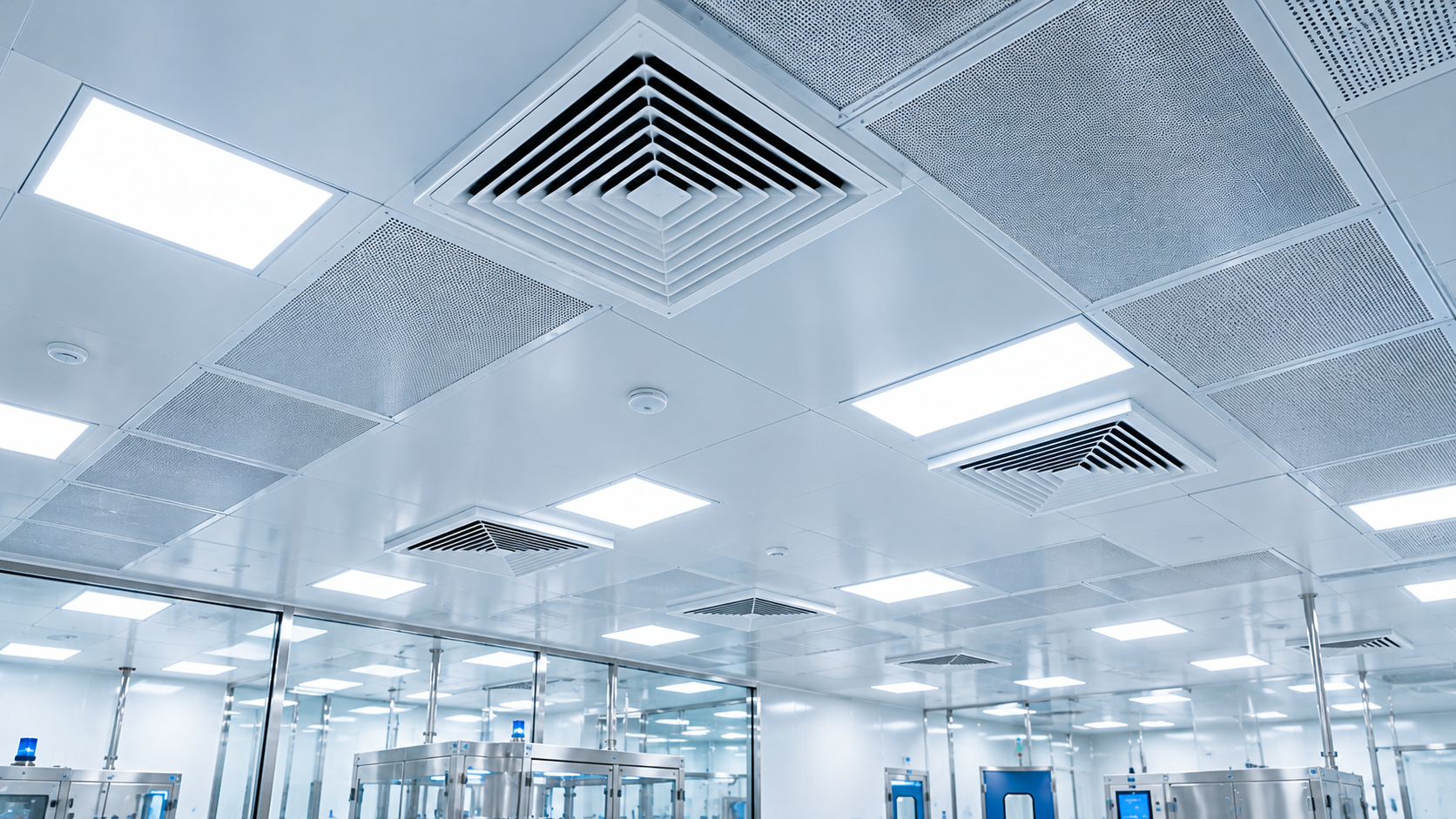
- Air flow
- Humidity control
- Differential pressures
- Standards and regulations
A correct cleanroom manufacturing facility should suit your needs and not offer a generic facility.
2. Check the Company's Industry Experience
Experience is a very important consideration in the selection of a partner for the cleanroom manufacturing process. The company might have experience in creating basic controlled environments, but not necessarily in creating cleanrooms for your industry.
For instance, a pharmaceutical cleanroom needs the right design and documentation with the GMP focus, while an electronics or semiconductor facility requires a different approach to contamination control.
Before you choose a partner, look at their past cleanroom manufacturing work and see if they have any experience working in your industry.
A reputable company will be able to prove experience in:
- Pharmaceutical manufacturing
- Biotechnology
- Healthcare and hospitals
- Medical devices
- Semiconductor manufacturing
- Electronics
- Battery manufacturing
- Food processing
- Laboratories.
This experience reduces the risks of designing errors and makes sure the cleanroom manufacturing takes into account all practical aspects of the facility.
3. Evaluate Technical Design Capabilities
A cleanroom is more than just a sealed room with air filters. Cleanroom manufacturing needs more than just engineering expertise to ensure success.
The cleanroom manufacturing company should be technically capable of designing and integrating:
- HVAC systems
- HEPA/ULPA filters
- Airflow systems
- Pressurization
- Temperature and humidity systems
- Modular walls and ceilings
- Flooring systems
- Electrical and lighting systems
- Plumbing and drain systems
- Fire and safety systems
- Control and monitoring systems
Problems with the integration of these different systems can affect the effectiveness of the cleanroom. This is why business organizations need to seek for a technically sound cleanroom manufacturing company.
The company should have the ability to study the complete flow process of the business organization and come up with an appropriate layout.
4. Look for Knowledge of GMP and Cleanroom Standards
Compliance is an essential issue that needs to be considered during cleanroom manufacturing projects, particularly in regulated industries.
The cleanroom in such cases would have to comply with GMP, ISO cleanroom classification, or any other industry specific regulations. It is important for the manufacturer to know how such compliance will affect the design, construction, material, equipment, and process of operation of the facility.
This means that cleanroom manufacturing project based on GMP will include issues such as surface finish, cleanability, pressure differentials, material flow, personnel movement, and contamination control among others.
In order to avoid problems related to this aspect, you should find out how the provider complies with compliance requirements and if their team has any experience in this regard.
5. Consider Modular and Customised Solutions
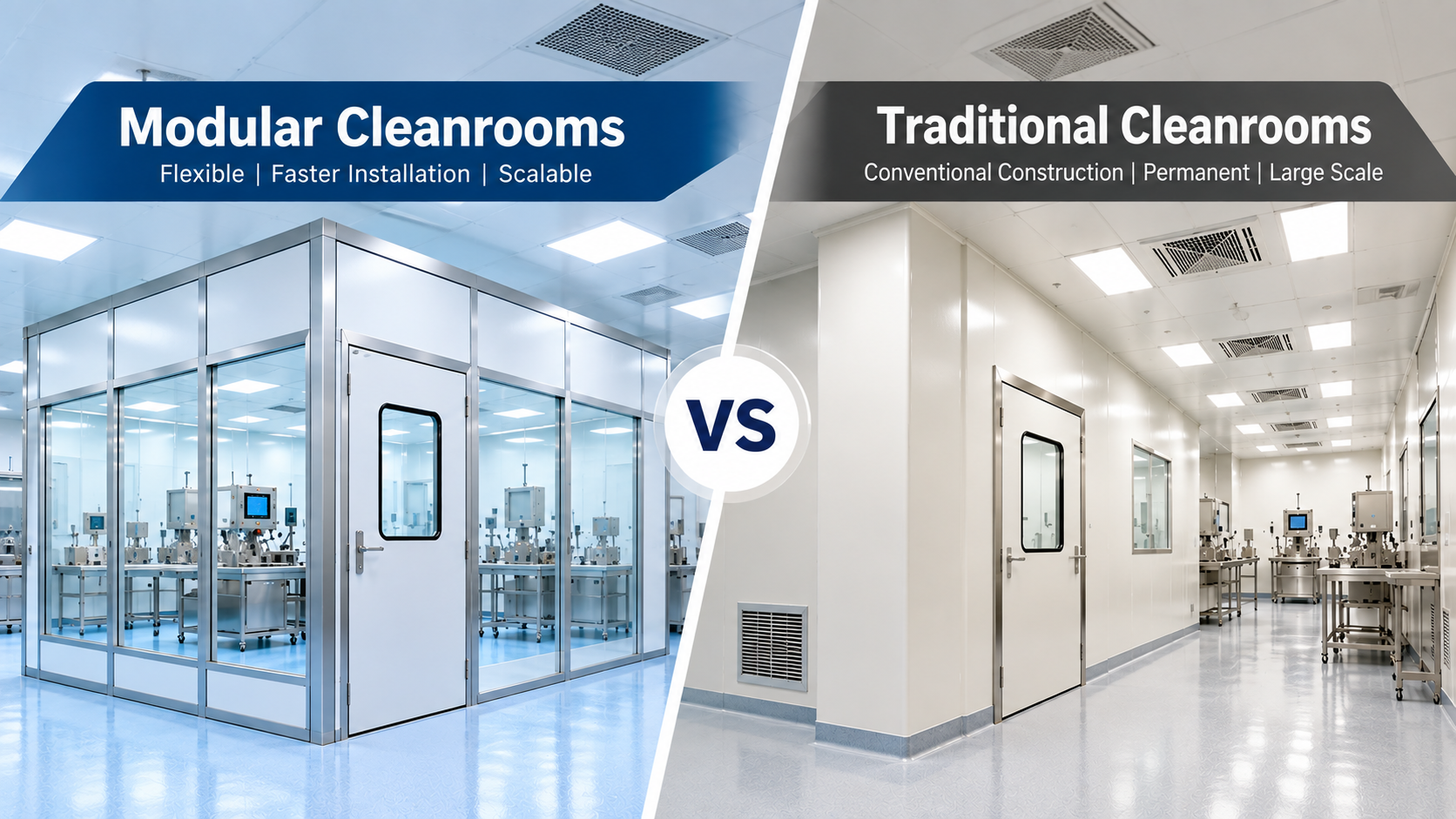
The cleanroom manufacturing industry frequently uses modular construction in their factories owing to its benefits of flexibility and easy installations.
Customizable modular cleanrooms can adapt according to the required floor plan and environmental specifications. These can be adapted and expanded when the manufacturing needs of a business change.
Nevertheless, what is needed varies from one case to another. Some factories might have to make use of cleanroom structures that are completely customised and fitted within an existing building.
It would be necessary for a cleanroom manufacturing company that possesses the ability to evaluate your facility and suggest the kind of cleanroom you should install – modular, standard, or a combination of both.
There is a need for customization if the following factors apply:
- Limited space
- Complex equipment setup
- Unique process specifications
- Future expansions
- Existing infrastructure
The idea of cleanroom manufacturing is not only about making a clean room, but creating a controlled environment for manufacturing operations.
6. Assess Turnkey Project Capabilities
Management of several contractors in the process of cleanroom installation may result in delays, difficulties in communication, and coordination.
Selection of the firm offering turnkey cleanroom manufacturing service may simplify this whole process.
The turnkey provider might handle the whole process from design and engineering through construction, installation, testing, and commissioning.
This method will contribute to better coordination among systems and also to defining clear points of responsibility.
Firms like Dozx may assist companies in search of integrated cleanroom and controlled environment services based on the scale and specifics of projects.
Working with the experienced provider will assist in proper coordination of the aspects of cleanroom construction, HVAC integration, MEP services, and overall project management.
When selecting turnkey cleanroom manufacturing provider, one should inquire about their ability to cover the following activities:
- design and planning
- engineering
- cleanroom construction
- HVAC integration
- electrical and MEP works
- installation
- testing and commissioning
- project management
Turnkey cleanroom manufacturing process, being properly managed, will avoid extra coordination among several vendors.
7. Review Quality of Materials and Construction
The choice of materials during cleanroom manufacturing can have an impact on durability, maintenance, and cleanliness.
There are various criteria that the cleanroom surfaces should meet such as:
- Smoothness
- Ease of cleaning
- Chemical resistance
- Durability
- Particulate shedding
- Resistance to moisture
Other surfaces such as walls, ceilings, doors, windows, flooring, and other surfaces should suit the operating conditions.
The best cleanroom manufacturing company will inform you about the materials that have been selected and why they are the right ones for your field.
In some cases, cheaper quotations can translate into higher maintenance costs in the long run. This means that companies should not base their selection of cleanroom manufacturers on cost considerations only.
8. Check Testing, Commissioning, and Validation Support
However, construction does not mark the end of the process for cleanroom manufacturing. Testing should be performed to see whether the cleanroom meets all the specifications required of it.
This may entail:
- Airflow
- Air changes
- Filtering effectiveness
- Particulates
- Pressure differential
- Temperature
- Humidity
- Airflow direction
It is important that the manufacturer informs about the testing and commissioning services provided in the scope of the project.
Validation needs should also be considered in case you are dealing with a regulated industry. Selecting a company experienced in this will definitely simplify the process of transitioning from the construction phase to operation.
9. Consider Communication and Project Support
Effective communication is very important for any cleanroom manufacturing project. The supplier must be able to communicate their technical needs clearly.
Effective project partners will be able to provide clarity about:
Scope of project
- Design
- Timelines
- Materials
- Cost
- Installation phases
- Testing requirements
- Accountabilities
Communication is key to avoiding misunderstandings and surprises during the cleanroom manufacturing process.
It would also help to evaluate how much support is available post-installation since cleanrooms will need maintenance and modifications, among other things, as the business expands.
Conclusion
Finding the right company to carry out cleanroom manufacturing is more than just comparing quotes. The right company is one that knows about your industry, the process involved, regulatory requirements, specifications, and growth.
There are a number of things that should be considered when choosing the right company that manufactures cleanrooms, including engineering, industry knowledge, quality of construction, and project management. Companies should look at whether they can provide customized and turnkey projects to make the whole project easier for you.
One company that may be able to help with the manufacture of cleanrooms and turnkey solutions to businesses is Dozx. Focused on planning, design, engineering, construction, and execution of cleanrooms, Dozx can help companies manufacture controlled environments based on specific industry needs.
Cleanroom manufacturing can help with contamination control, efficiency, regulations, and even business growth. Through evaluation of industry knowledge, technical knowledge, material quality, and project management skills, the right cleanroom manufacturing company can be found.