Container Cleanroom Systems: The Foundation of Manufacturing Without Contaminants
When even a minuscule amount of contamination can ruin the manufacturing process or render the products produced useless, having adequate containment is of paramount importance. Industries like pharmaceuticals, biotechnology, semiconductor manufacturing, or aerospace engineering all need special types of container cleanroom environments in order to maintain the integrity of their processes or products.
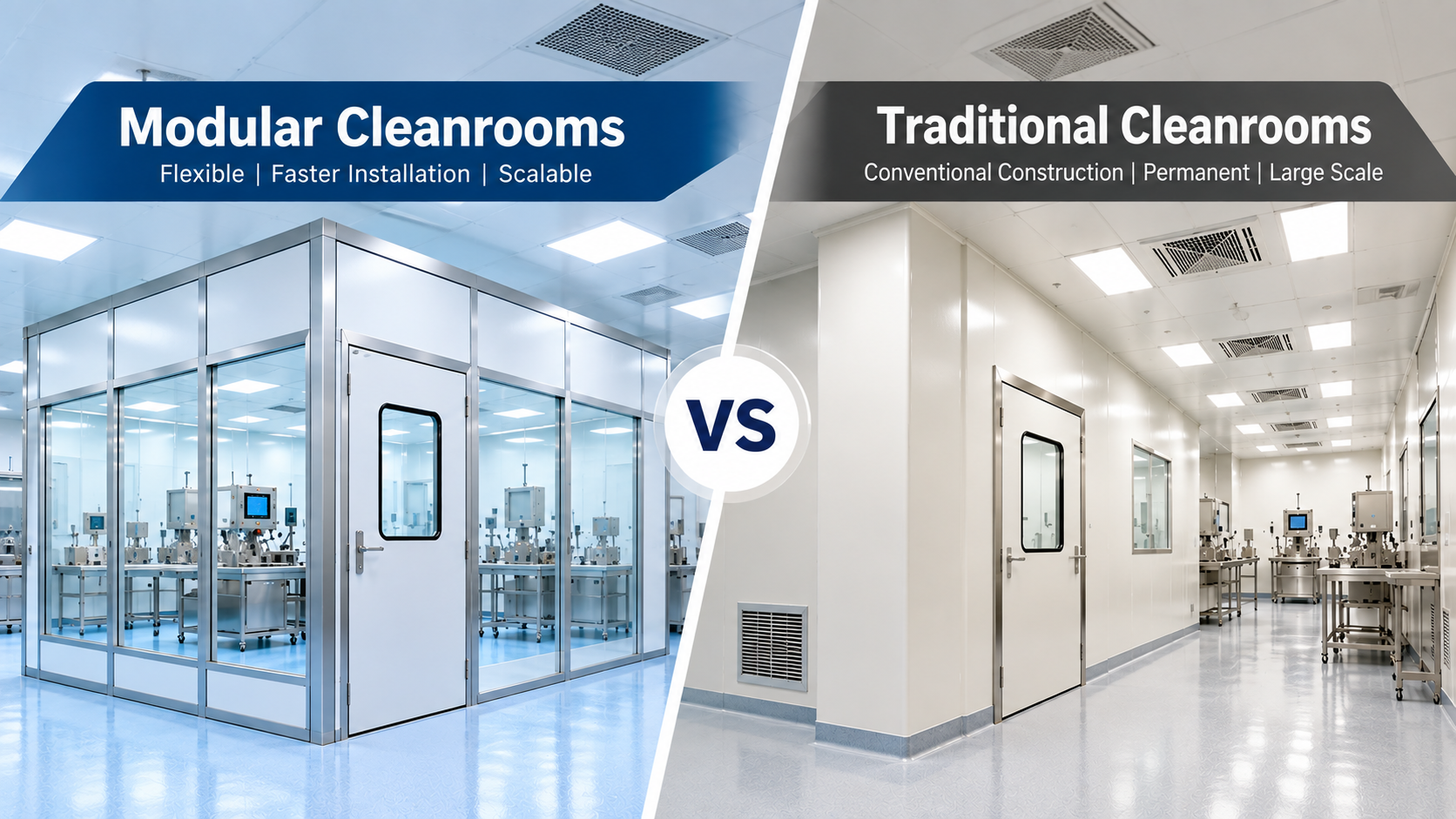
Container cleanrooms bring together the benefits of conventional cleanrooms with the portability of modular structures based on shipping containers. Unlike regular cleanrooms which are stationary and need expensive installation and maintenance, container cleanroom systems can be transported and set up rapidly anywhere required.
What Are Container Cleanroom Systems?
Container cleanroom systems are special kinds of portable cleanroom facilities designed to be installed inside modified shipping or modular containers. Container cleanrooms ensure a high level of environmental control through regulated levels of airborne particles, temperature, humidity, airflow, and atmospheric pressure.
A container cleanroom system represents a combination of two advanced technological concepts:
- Shipping Container Construction – Structural stability, modularity, and transportability ensured by durable metal construction.
- Cleanroom Technology – Controlled airflow, filtration via HEPA/ULPA filters, pressurization, and specialized cleaning materials create a sterilized or highly controlled interior container cleanroom
Key Elements Found in a Container Cleanroom System
A container cleanroom system consists of different elements that work together to provide a contamination-free environment.
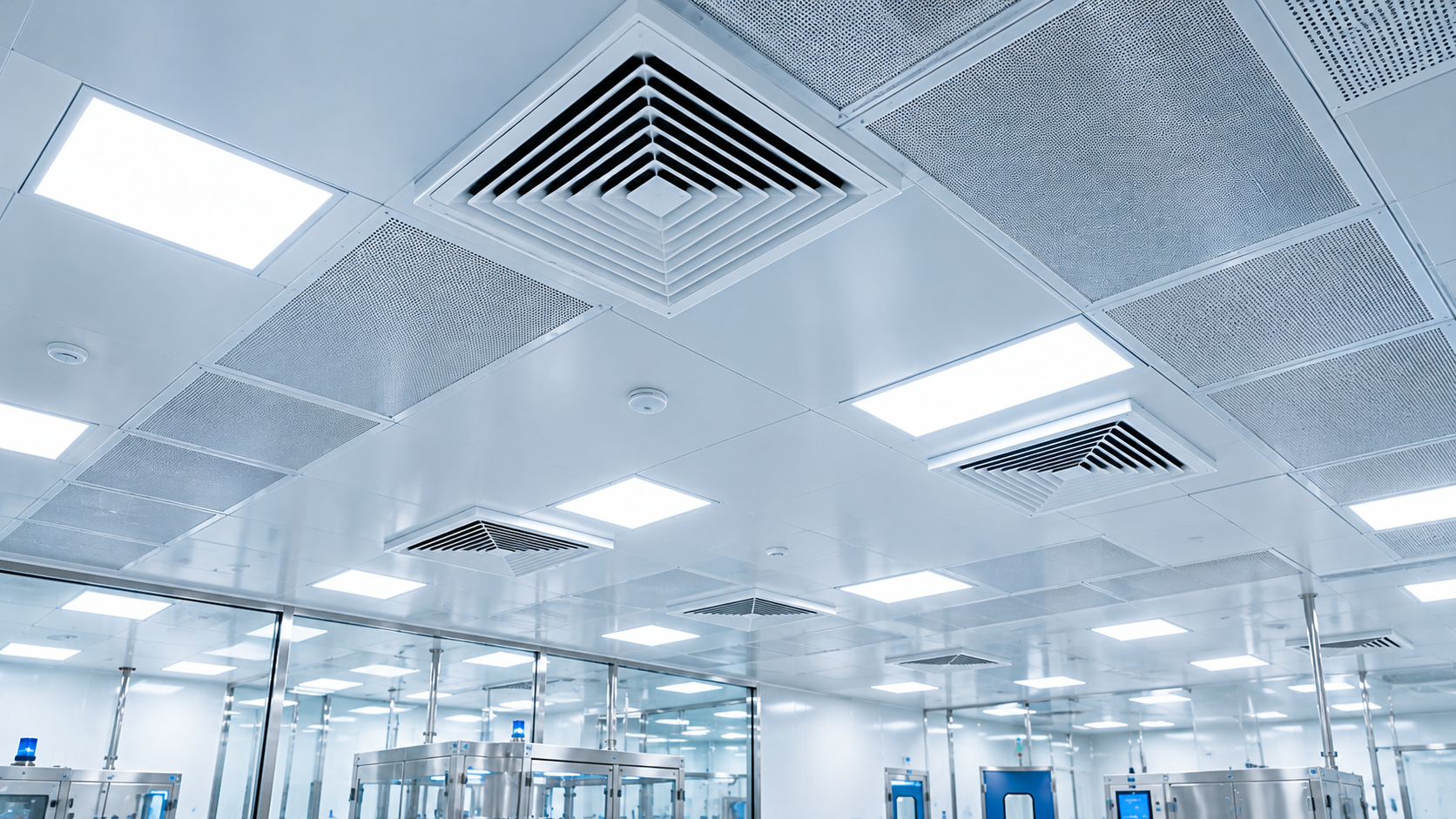
1. HEPA/ULPA Filtration Systems: High Efficiency Particulate Air filters can eliminate 99.97% of all airborne particles that measure 0.3 microns. Ultra Low Penetration Air filters have a higher filtration efficiency than HEPA filters.These systems continuously filter the air that is circulating within the container cleanroom.
2. HVAC and Airflow Management: Heating, ventilation, and air conditioning systems help regulate the temperature, humidity levels, air pressure, and air exchange rates.Most of the time, laminar airflow is employed in a container cleanroom because it pushes contaminants away from any critical work area in a specific direction.
3. Airlocks and Gowning Facilities:Container cleanrooms may be fitted with:
- Air locks
- Pass throughs
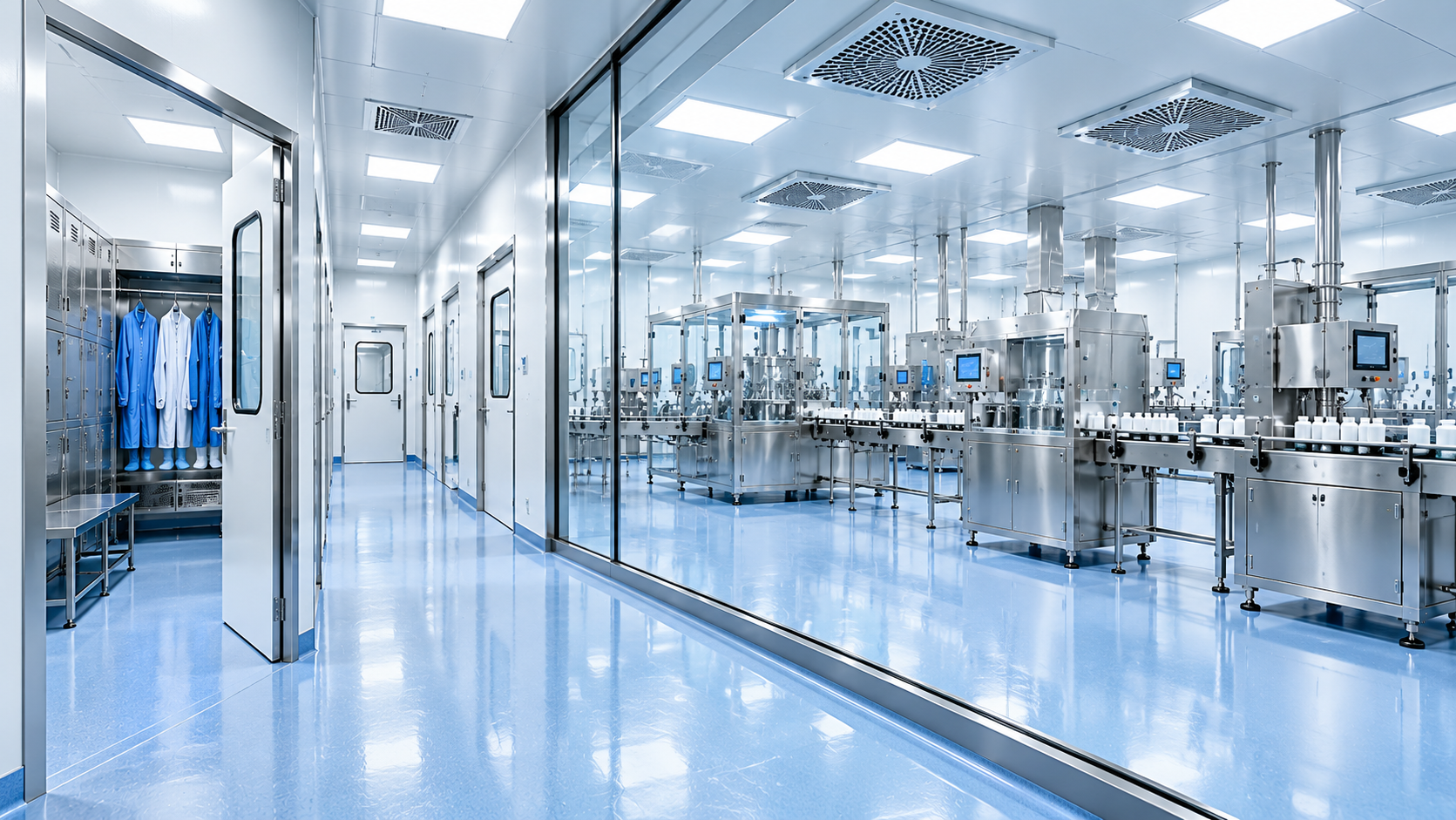
- Gowning rooms
- Interlocking doorways
These facilities help prevent contamination when workers enter or leave the room since they reduce the transfer of any external contamination to the clean container cleanroom environment.
4. Interior Construction Material
Interior wall, floor, and ceiling surfaces in a container cleanroom are constructed using non-shedding and easily cleanable materials, such as stainless steel or coated aluminum panels.
Benefits of Container Cleanroom Systems
There are many benefits associated with container cleanroom systems compared to brick-and-mortar cleanrooms.
- Quick Installation
First, container cleanrooms are easy to manufacture and install. Building a permanent cleanroom facility takes several months, but a container cleanroom is usually assembled within days or weeks.Rapid installation becomes crucial in an emergency, for instance, production of vaccines, disaster response, or sudden need to scale up an industrial process.
- Mobility and Portability
Because a container cleanroom system is made using transportable containers, it is easily moved whenever needed. Such mobility is important in cases like military operations, conducting research far away from civilization, mineral mining operations, or setting up a temporary pharmaceutical plant.
- Economical
Container cleanrooms are cheaper than building permanent facilities due to the following reasons: first, there are no expenses for materials and labor required for building a brick-and-mortar cleanroom. Secondly, companies may use their funds gradually by connecting more units each time their needs increase.
- Flexibility
Manufacturers may link as many units as necessary in order to increase capacity.It means that an enterprise starts with installing one small unit, for instance, for initial production of pharmaceuticals, and later adds other modules that will be used in testing, packaging, storing, etc.
Use in Various Sectors
A container cleanroom facility is applicable across many sectors where contamination control is required.
Pharmaceutical Sector
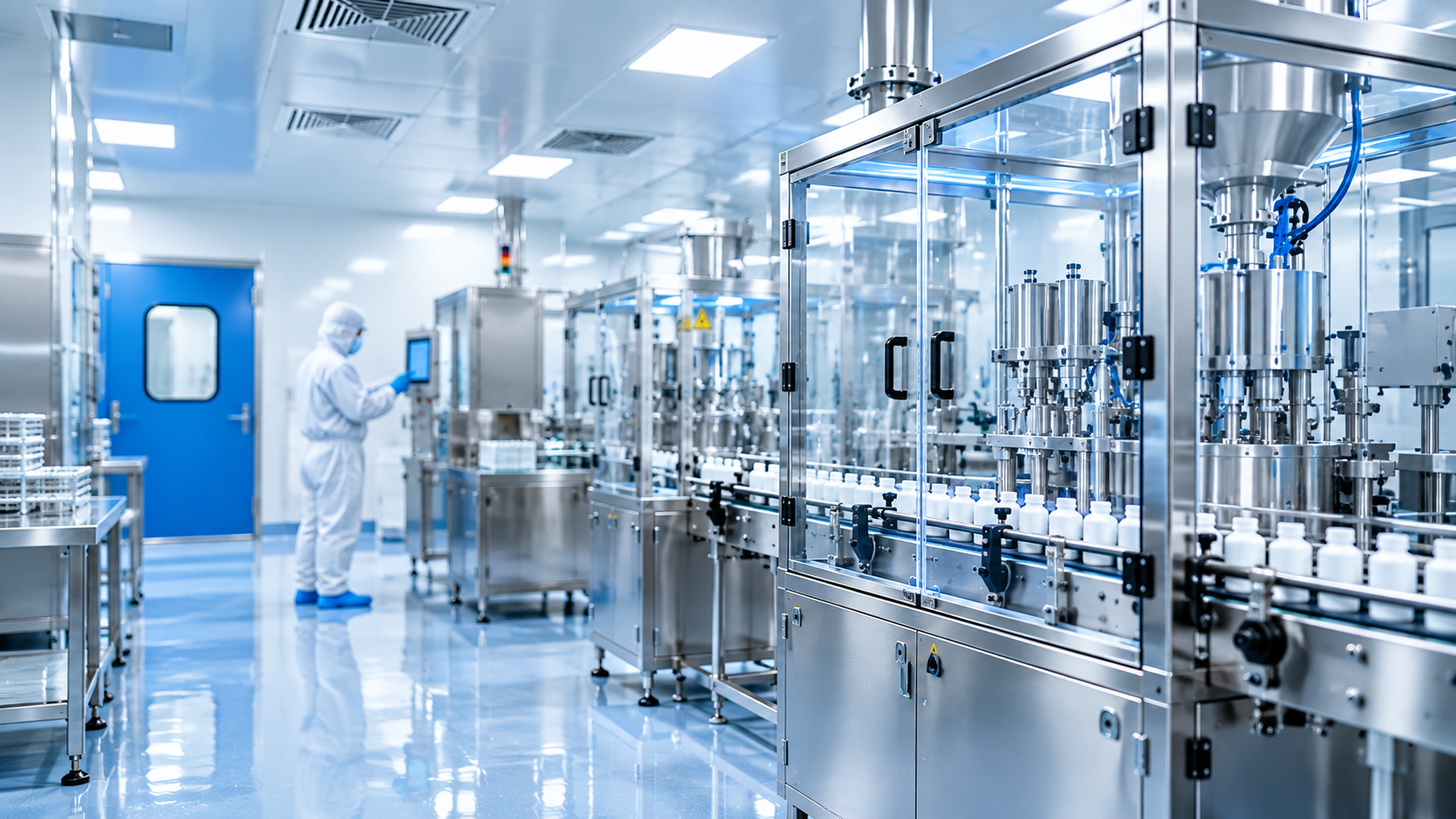
The pharmaceutical industry makes extensive use of container cleanrooms when producing sterile medications, vaccines, and conducting laboratory tests. A container cleanroom system is especially suitable for:
- Testing laboratories
- Production facilities
- Clinical trials
- Vaccination programs
Container cleanrooms play a vital role in emergency response during global health crises by providing portable cleanroom facilities.
Biotech and Life Science Sectors
Biotechnological companies use container cleanrooms for conducting research and manufacturing in the following fields:
- Cell culture studies
- Gene therapy production
- Tissue engineering
- Medical diagnostics
The modularity feature of a container cleanroom facilitates lab operations in remote and temporary sites.
Semiconductor Manufacturing Sector
Microelectronics fabrication plants require very low levels of particle presence because even small contaminants could damage the wafer or electronics being made. Controlled environments in a container cleanroom are necessary for performing:
- Wafer packaging
- Electronic devices testing
- Optical component fabrication
Aerospace and Defense Manufacturing
Contamination-free environments are very important in aerospace manufacturing because instruments, satellites, and other military hardware are assembled.A container cleanroom facility is deployed in field operations due to the lack of a dedicated facility.
Challenges and Limitations
Although a container cleanroom offers many benefits, it also has certain limitations.
- Space Constraints: Shipping containers have fixed dimensions, which may limit workspace and equipment capacity. Large-scale manufacturing operations may require multiple interconnected container cleanroom modules.
- Energy Consumption: Maintaining strict environmental conditions inside a container cleanroom requires continuous operation of HVAC and filtration systems, leading to high energy consumption.
- Regulatory Compliance: Different industries require compliance with strict regulatory standards such as:
- ISO 14644
- GMP (Good Manufacturing Practice)
- FDA requirements
- Proper validation, certification, and maintenance are essential to ensure ongoing container cleanroom compliance.
- Maintenance Requirements: Filters, airflow systems, and monitoring equipment inside a container cleanroom require regular maintenance and calibration. Failure to maintain the container cleanroom system can compromise contamination control performance.
Future Developments in Container Cleanroom Technology
The development of the container cleanroom market will depend greatly on developments in automation, sustainability, and smart manufacturing technologies.
- IoT Technologies and Smart Monitoring Systems
Current container cleanrooms often incorporate IoT sensors and monitor system that allows tracking the performance of a container cleanroom in real time and conducting predictive maintenance operations.
- Energy Efficient Design
The industry continues to work on creating container cleanrooms equipped with energy efficient HVAC system and sustainable materials.
- Increasing Demand for Modular Manufacturing Plants
Demand for container cleanrooms will grow thanks to increasing popularity of personalized medicine and decentralized pharmaceutical production.
-
Smart Environmental Control Using AI
With the development of artificial intelligence, automatic environmental control of container cleanrooms might become reality soon.
Conclusion
The advent of a container cleanroom has revolutionized the methods in which industries are conducting their contamination-controlled manufacturing and research activities. The benefits associated with portability, rapid installation, scalability, and cost-effectiveness are making container cleanrooms more appealing to industries as an alternative to conventional cleanrooms.
As industries look to adapt to ever-increasing demands in terms of flexibility and quality in manufacturing processes, container cleanrooms will be relied upon more to facilitate pharmaceutical manufacturing, biotechnology, electronic manufacturing, and research in general.
Although there may be some difficulties in regard to space constraints, maintenance needs, and energy use, technological improvements have helped improve the effectiveness of the systems as well as their sustainability. With automation and expansion capabilities as well as an increasing demand worldwide, the container cleanroom is shaping up to become a key player in modern-day industrial infrastructures.