What Are Pharmaceutical Cleanroom Doors?
The pharmaceutical cleanroom door refers to doors that have been purposely engineered for use in controlled environment applications such as pharmaceutical manufacturing plants, laboratories, biotech facilities, and healthcare production facilities.
Contrary to ordinary doors, cleanroom doors are constructed from smooth, non-porous, and easily cleanable material. The design of these doors is aimed at minimizing accumulation points for dust, microorganisms, and other contaminants.
This type of door may incorporate features like air-tight sealing, flush surfaces, vision panels, locking mechanisms, automatic functions, and specific hardware.
Types of Pharmaceutical Cleanroom Doors
There are different door designs required by different pharmaceutical facilities. Some of the common ones include:
1. Single-Leaf Cleanroom Doors
The single-leaf doors are often used for personnel entry and small size doors. The single-leaf doors are appropriate for use in small spaces where movement of personnel is needed.
The pharmaceutical cleanroom doors may have insulated core, powder coated or stainless steel surfaces with special seals.
2. Double-Leaf Cleanroom Doors
The double-leaf doors provide wide opening and can be used in areas where large equipment, materials or trolleys have to enter.
These are mostly used in production areas, material transfer areas and corridors joining cleanroom areas.
3. Sliding Cleanroom Doors
The sliding doors may be necessary where swing doors will be a problem to the equipment, personnel movement or space on the floor.
The automatic sliding pharmaceutical cleanroom doors may also enhance work process and reduce manual handling.
4. Hermetic Cleanroom Doors
The hermetic doors ensure sealing in controlled areas. The hermetic doors are often used in situations where maintaining pressure differences and reducing air leakage is important.
The hermetic sealing of these doors makes them appropriate for specialized pharmaceutical and healthcare applications.
5. Automatic Cleanroom Doors
Automatic doors can improve operational efficiency while reducing physical contact. They can be integrated with sensors, access-control systems, and cleanroom interlocking systems.
This type of door is particularly useful in facilities with frequent personnel and material movement.
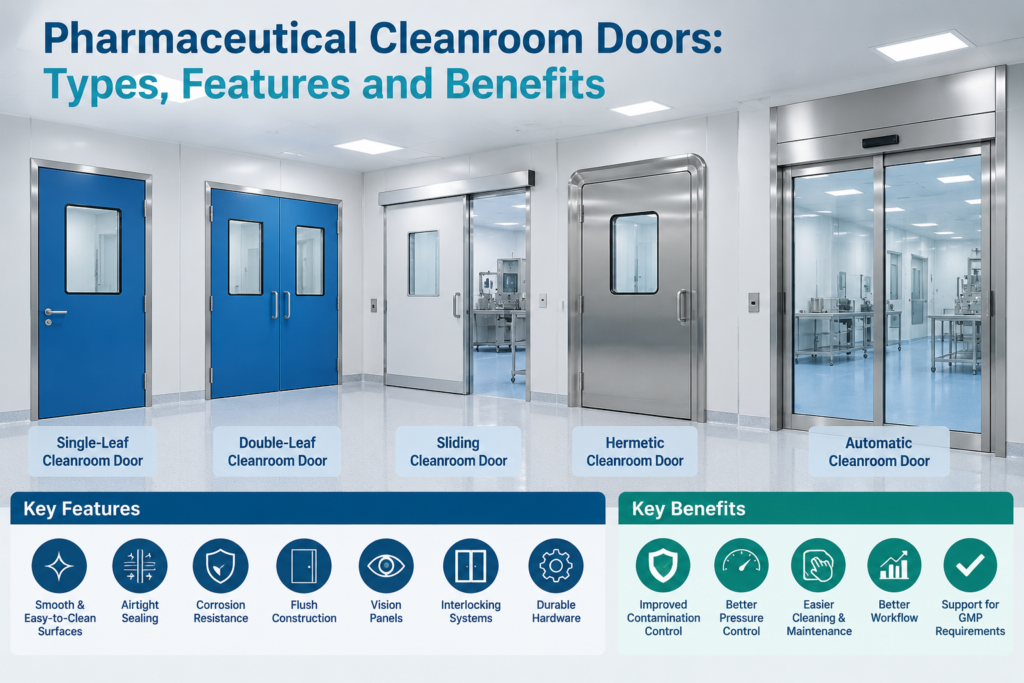
Key Features of Pharmaceutical Cleanroom Doors
Design considerations for pharmaceutical clean room doors must take into account hygienic as well as functional factors. These may include:
Smooth and Easily Cleanable Surfaces
There should be smooth surfaces with few joints and recesses or exposed parts which may trap dust or contamination.
Airtightness
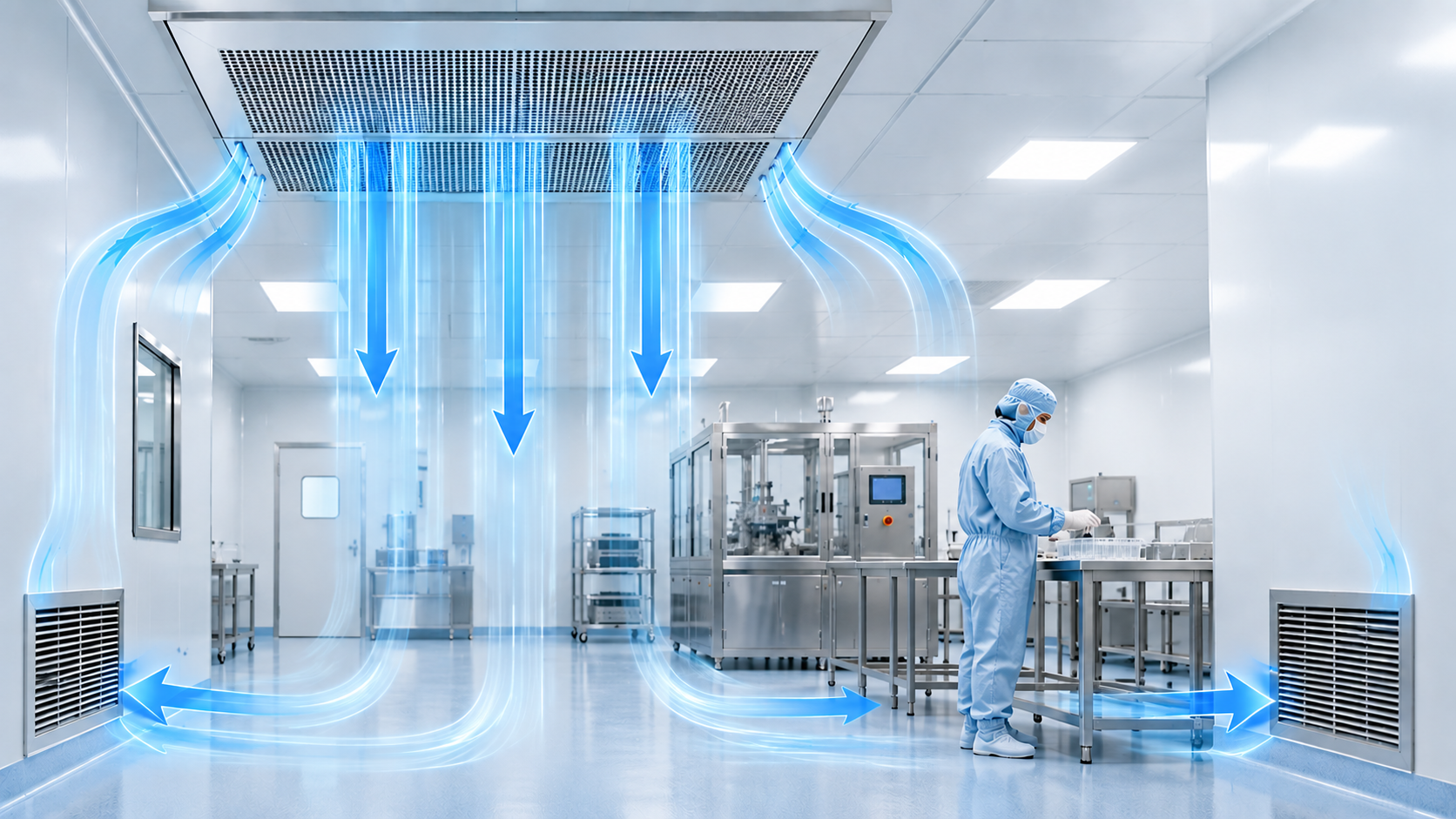
Good seals prevent unwanted air loss and also enable the creation of pressure difference between the adjoining rooms.
Corrosion Resistance
Chemical or sanitizing agents are used extensively during the manufacturing process of pharmaceutical products. Therefore, the material of the door must have adequate protection against corrosion and chemicals.
Flush Construction
The flush construction prevents any ledges or recesses which tend to accumulate dust and makes cleaning easy.
Vision Panels
Vision panels provide vision from one side to the other without having to open the door. This enhances safety and also avoids unnecessary openings of doors.
Door Interlocks
Cleanroom doors may be used with door interlock systems where two doors that are interconnected do not open together.
Hardware
The handles, hinges, locks and other hardware must be appropriate for cleanrooms.
Benefits of Pharmaceutical Cleanroom Doors
Installation of well-designed doors in a pharmaceutical cleanroom can bring many advantages.
Enhanced Control of Contaminants
The presence of cleanroom doors can assist in isolating controlled zones and minimizing the transfer of airborne particles between the zones.
Pressure Control Improvement
Proper sealing of a door can assist in maintaining the necessary pressure relation between zones.
Improved Cleaning and Maintenance
Smoother and non-porous surfaces of doors can make the process of cleaning easier.
Improved Safety of Personnel
Visions panels and controlled access systems can enhance visibility and minimize the risk of accidents when personnel moves from one zone to another.
Improved Workflow
Well-designed automatic doors can make the moving of personnel, material, and equipment more effective.
GMP Compliance
Properly designed doors can assist in the implementation of GMP requirements.
How to Choose the Right Cleanroom Door
Choosing pharmaceutical clean room doors must be dependent on the needs of the facility rather than aesthetics.
Think about the following aspects:
- Classification of the cleanroom
- Difference in pressure within different rooms
- Number of times the door is used
- Flow of people and materials
- Dimensions of the door openings
- Procedure for cleaning and sterilization
- Sealing needed
- Corrosion resistant
- Access control system integration
- Interlocking needs
- Maintenance requirements
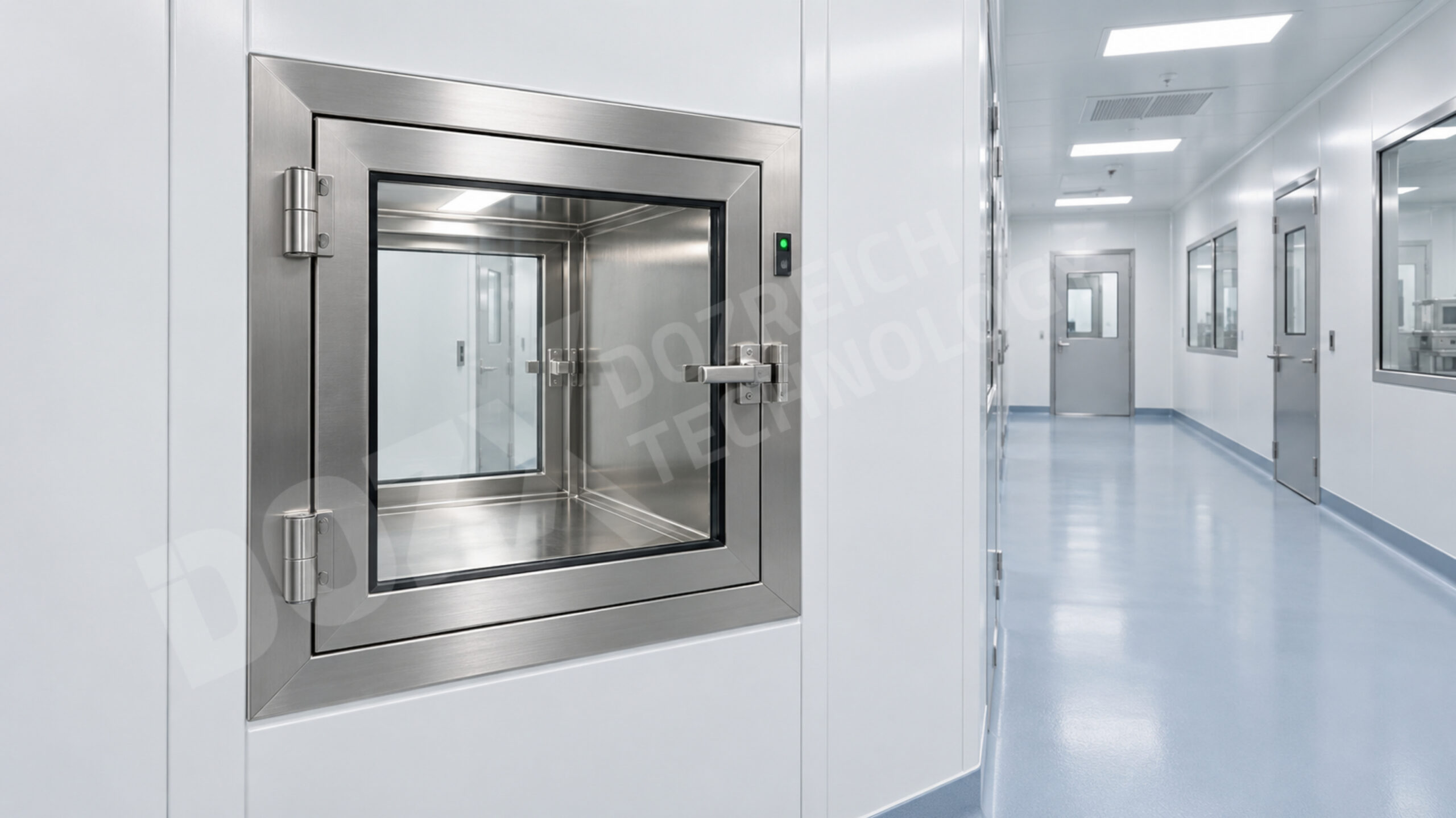
The door itself must be chosen in line with the complete cleanroom system which includes HVAC systems, walls and ceiling panels, airlocks, pass boxes and materials flow system.
Why Proper Installation Matters
An excellent door might also fail to work properly in case of improper installation. Improper sealing, gaps, misalignment, and inappropriate hardware are among elements which can influence the performance of the door.
Professionals are capable of ensuring correct performance of the door and its proper integration into the existing cleanroom.
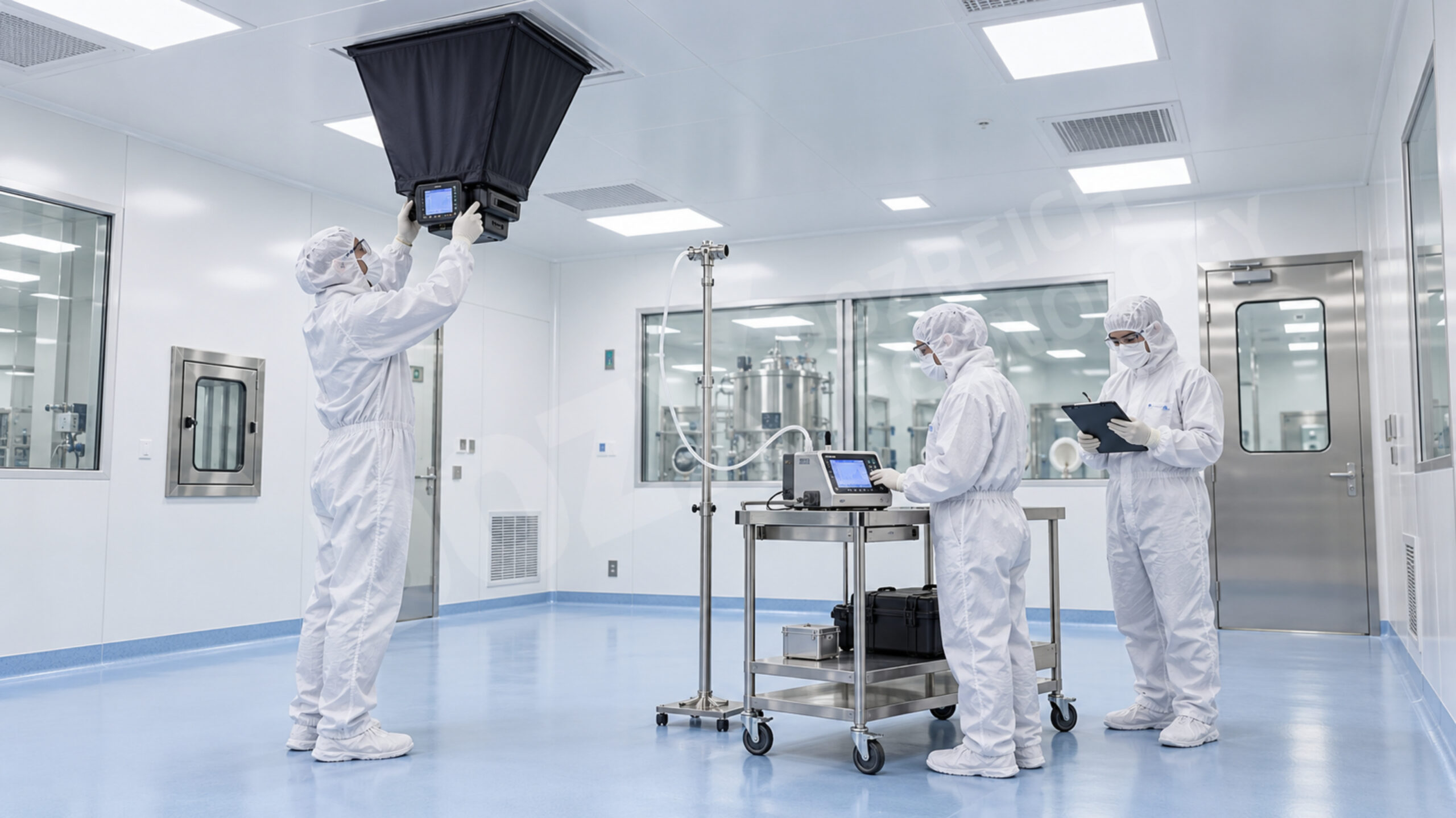
Inspection and maintenance are required too. Seals, hinges, locks, automatic and interlocking systems should be checked periodically following the manufacturer’s maintenance guidelines.
Conclusion
The doors for cleanrooms in pharmaceutical facilities are a crucial component of a controlled manufacturing environment. They are needed to separate different zones, help to control contamination, provide proper pressure conditions, and ensure the safe movement of people and objects.
Depending on the classification, workflow, hygienic requirements, and other peculiarities of the facility, either single-leaf and double-leaf doors or sliding, hermetic, and automatic doors may be used.
The proper selection and installation of the doors for cleanrooms will allow manufacturers to have a controlled environment.