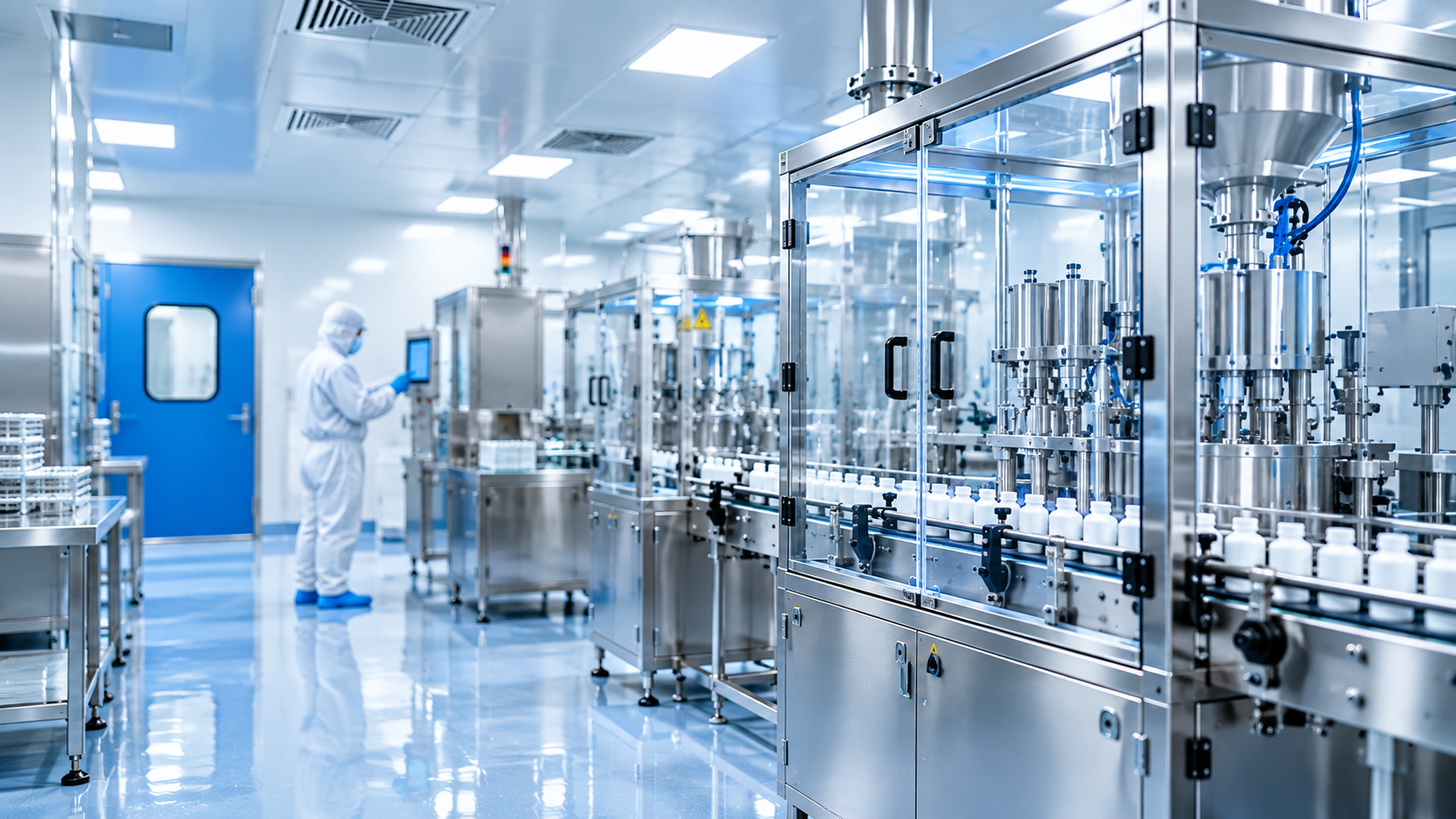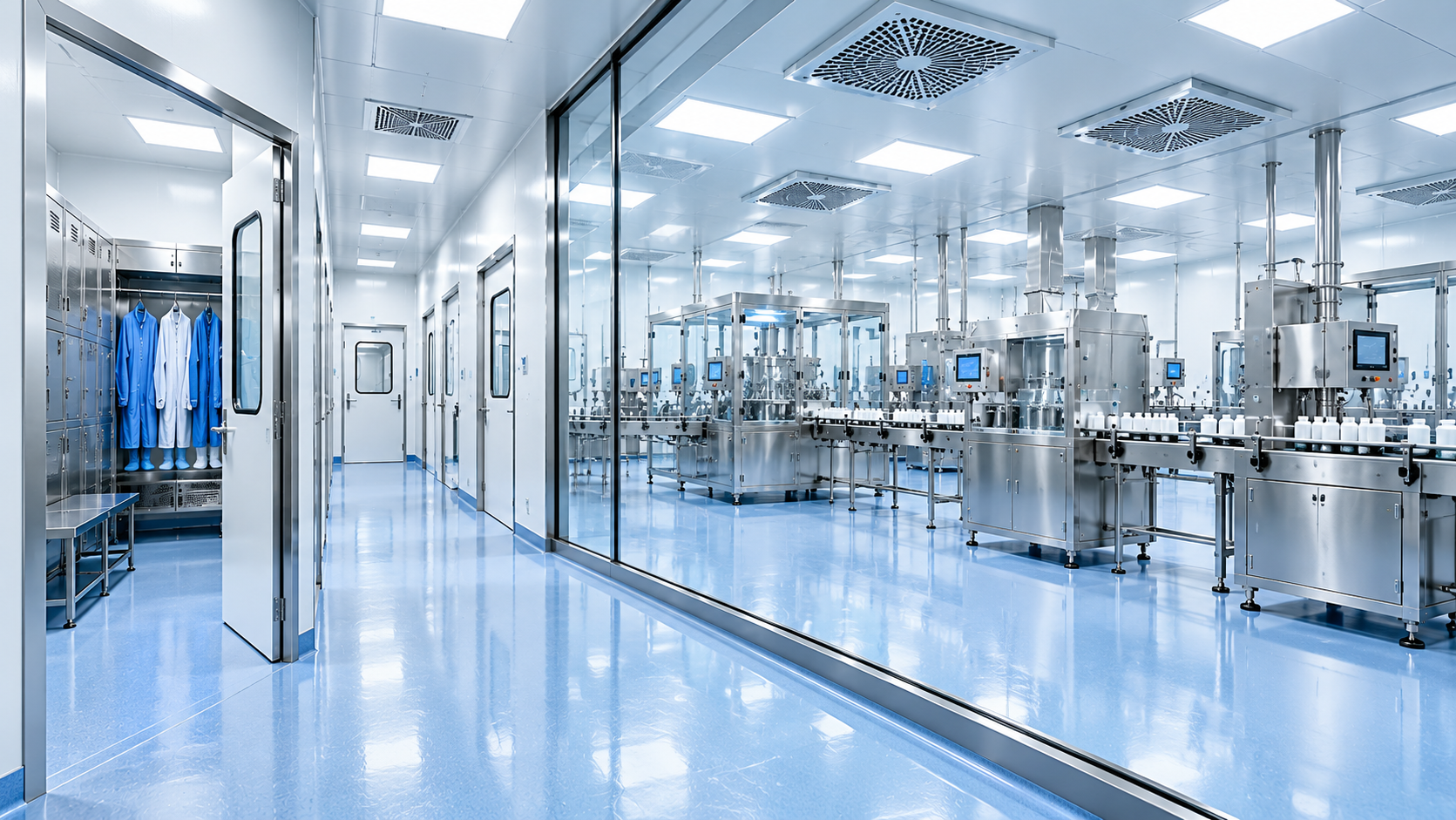
Planning the layout of a pharmaceutical manufacturing plant is a challenging task where even minor blunders in planning can bring serious financial, operational, and compliance issues. There are many aspects that have to be taken into consideration when designing a pharmaceutical factory including production line, clean room requirements, HVAC systems, utilities, personnel flow, material flow, validation, and scalability.
It might be efficient in design but later it could lead to contamination risks, production constraints, high energy costs, and costly changes in construction after completion. That is why pharmaceutical factory design should be seen not only as a construction task but also as an integrated engineering process.
For companies planning to build or expand their facility, knowing the most common design mistakes can be helpful.
1. Designing the Layout Before Understanding the Process
One of the most costly errors in pharmaceutical factory design is designing the layout without adequately planning the manufacturing process first.
For a pharmaceutical factory, there must be clear flow of material, people, machinery, intermediate product, final product, and waste. Failure to plan these flows upfront will cause crossing of clean and less-clean areas.
The other problems caused by poor flow planning include:
- Unnecessary movement of people
- Bottlenecks in material handling
- Poor placement of air locks
- Inefficient production flow
- Contamination hazards
- Cleaning and maintenance difficulties
Pharmaceutical factory design starts with knowledge of the manufacturing process followed by layout design.
2. Treating GMP Compliance as a Final-Stage Requirement
Another very common mistake is to treat compliance as something that can be assessed after construction.
The truth is that the demands of GMP compliance have an effect on decision-making at all stages of designing pharmaceutical facilities. Room arrangements, zonation, materials used, people movements, HVAC systems, pressure differentials, utilities, equipment arrangement, and monitoring systems are all aspects of factory design that could impact compliance.
Once the regulatory requirements are taken into account after the construction process begins, it might become too costly to make the required modifications. It could include moving walls, changing the HVAC capacity, routing utilities, and adjusting the arrangement of the equipment.
A much better strategy would be to consider the requirements for compliance at the stage of feasibility studies and concept design.
3. Underestimating HVAC Requirements
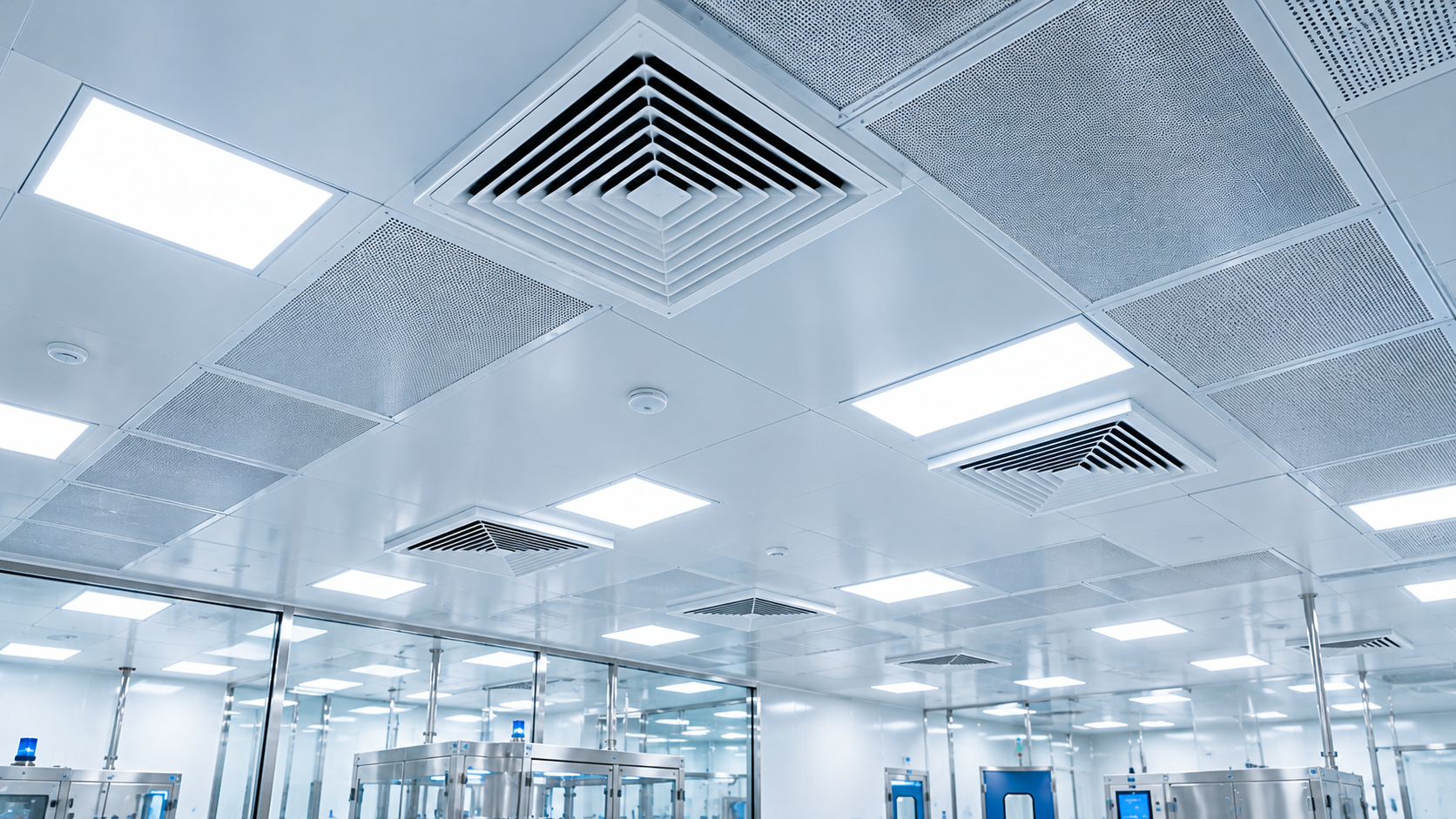
The HVAC is one of the most essential systems in designing pharmaceutical factories, especially those with classified areas.
A pharmaceutical HVAC system might have to control the temperature, humidity, airflow, air filtration, and pressure differential depending on the specific needs of each area. Designing HVAC for cleanrooms should take into account the processes and working conditions involved.
An HVAC system that is undersized or inadequately designed will lead to problems in controlling the environment and expensive reconfigurations.
For instance, wrong zonation and pressure relationships might affect contamination control while poor integration of the HVAC system might pose challenges in monitoring and validating the environment.
Modern designing of pharmaceutical factories should therefore include HVAC engineering in addition to other factors such as room classifications, production process, etc.
4. Ignoring Personnel and Material Flow
People and material flows can have a substantial impact on the control of contamination and efficiency of operations.
In pharmaceutical factory planning, these flows need to be planned well in such a way as to ensure that there is no unnecessary movement across various areas.
Ineffective plant planning can lead to people and materials moving unnecessarily through controlled areas, making the process of operation and contamination control difficult.
Such considerations should include:
- Personnel entries
- Gowning rooms
- Airlocks
- Material airlocks
- Pass boxes
- Manufacturing areas
- Storage areas
- Waste flow
- Finished products flow
Effective pharmaceutical factory planning will make sure that the right flow path is the easiest flow path for both people and materials.
5. Choosing Equipment and Utilities Without Considering the Overall Facility
The equipment cannot be considered as an independent element in the design of a pharmaceutical factory.
Production equipment defines the size of the rooms, utilities, airflow, maintenance, electrical, drainage, compressed air, water, and logistics.
If equipment is selected too late, then the facility may not have enough space and utility capacities for its operation. The opposite situation, when equipment is selected without considering future production needs, may require costly upgrades in the future.
Utilities also have to be planned according to existing and future needs. Depending on a particular facility, utilities may include electricity, HVAC, water purification, compressed air, gases, drainage, fire protection, etc.
Pharmaceutical factory integrated design considers the equipment needs together with architecture, electrical, mechanical, and utility engineering.
6. Designing Only for Today's Production Capacity
However, a facility built completely to meet the current production demands can be costly to expand in the future.
The pharmaceutical manufacturing plants could launch new products, boost production volume, add more machinery, or change production processes. In case the original design of the pharmaceutical factory does not cater to all these possibilities, then future expansion could necessitate complete remodeling.
Some of the aspects that could be included in future-ready planning are:
- Areas for expansion
- More utilities
- Room versatility
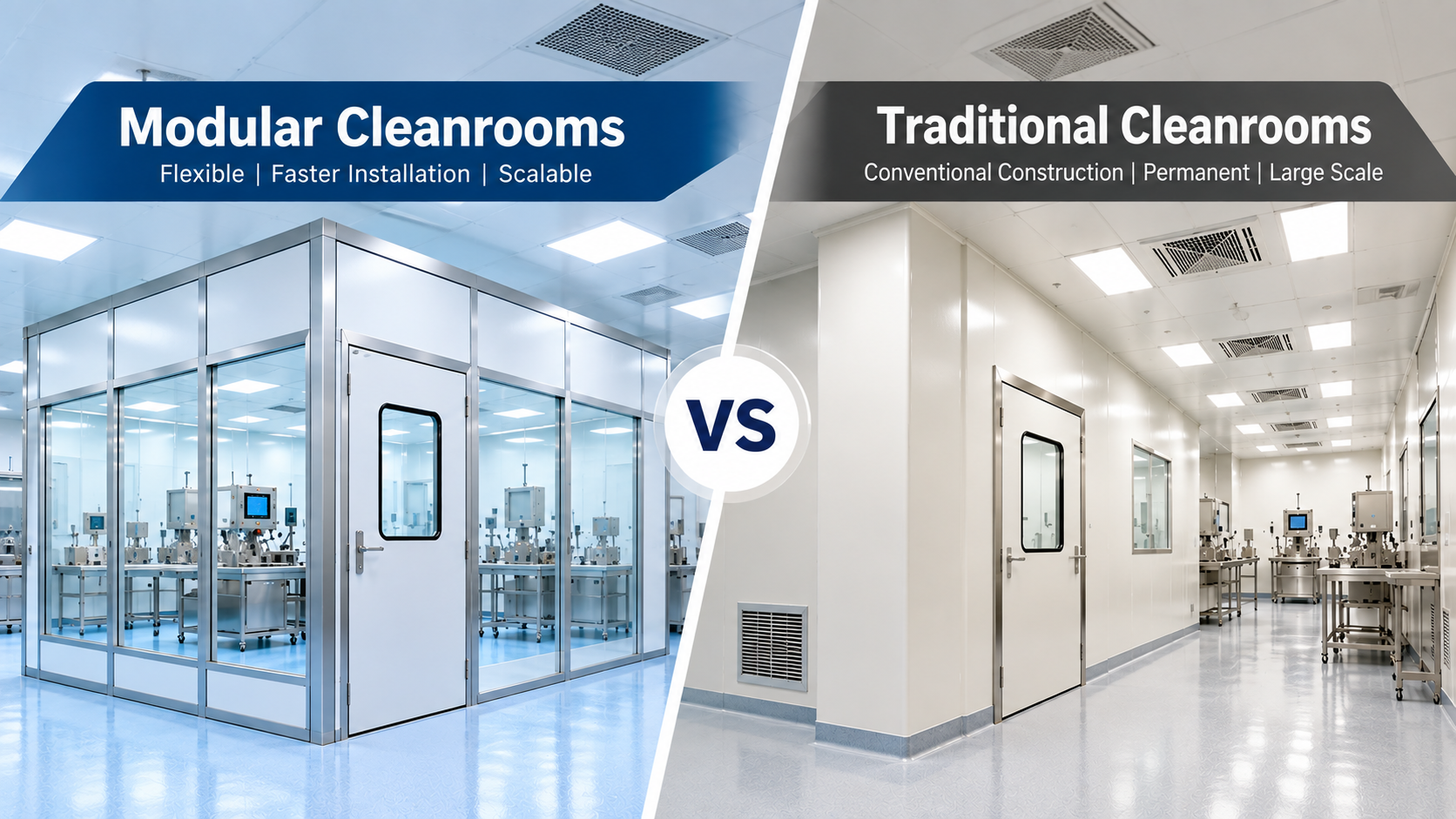
- Modular cleanrooms
- Service area access
- Room for more equipment
- Scalable HVAC system
Versatile pharmaceutical factory design would go a long way in ensuring no disruptions during business growth.
7. Focusing on Construction Cost Instead of Lifecycle Cost
The lowest construction quote does not necessarily indicate the lowest total project cost.
This is the most significant consideration in designing a pharmaceutical factory. An economical decision at construction time might lead to higher operation, maintenance, validation, or energy costs in the future.
For instance, poorly designed heating, ventilation, and air conditioning (HVAC) systems can be relatively economical at the start but lead to increased energy use. Poorly laid-out equipment might be harder to maintain and cause increased downtime. Improper choice of materials might give problems in maintenance and cleaning or require early replacement.
In order to provide more effective pharmaceutical factory design, a lifecycle of the facility must be considered.
It is therefore necessary to consider:
- Initial capital cost
- Energy usage
- Maintenance needs
- Validation needs
- Downtime
- Future extensions
- Replacement costs
- Operational performance
Such an approach enables a manufacturer to consider more than just construction cost savings.
How to Avoid These Costly Design Mistakes
In order to avoid these issues, coordination is necessary between process specialists, architects, engineers, quality departments, validation specialists, and project managers.
First of all, before starting to design pharmaceutical factories, it is necessary to get familiarized with the process and regulatory requirements. At that point, facility layout, zoning, HVAC concept, utilities, equipment placement and expansion plan can be developed.
It is also essential to conduct design reviews prior to construction. Early design reviews may help detect potential problems in personnel movement, materials movement, room relationships, HVAC zoning, accessibility for maintenance and utilities capacity.
The engineering partner with sufficient experience will help you to integrate all these requirements into single pharmaceutical factory design instead of separate architectural, cleanroom, HVAC, electrical, and utilities projects.
Build the Facility Right the First Time
n fact, in a pharmaceutical plant manufacturing project, the hidden cost of poor planning can be incurred as a result of redesigns, delays, problems with validation, inefficiencies, excessive energy use, and inability to expand.
Therefore, an effective design of a pharmaceutical plant will have to take into consideration not only regulatory compliance but also manufacturing efficiency, contamination control, operational cost, maintainability, and growth potential.
For those firms considering building a new pharmaceutical factory, it is imperative that the purpose of such an endeavor goes beyond mere compliance. Rather, the purpose should include building an efficient and reliable manufacturing system with potential for growth.
DOZX offers total factory design and engineering services, ranging from feasibility studies, design and engineering, cleanroom and HVAC systems, project management, smart factory implementation, to turnkey project implementation. DOZX unique blend is multidisciplinary engineering and cleanroom and GMP solutions.
The right pharmaceutical factory design does not make a factory building more efficiently, but smarter.
For more visit our linkedin:https://www.linkedin.com/company/dozreich/