How to Start a Pharma Factory in India
India is among the largest manufacturers of medicines in the world; medicines produced here are distributed across more than 200 countries worldwide. Starting a pharma factory in India may become a profitable venture due to rising local demand and export possibilities. But starting a pharma factory in India is a complicated process that requires planning, licensing, and investments. The following guide outlines all the steps you need to take to start a successful pharma factory in India.

1. Market Research
Before starting a pharma factory in India, it is necessary to conduct thorough market research to find out what kind of medicines you would like to manufacture in the future. Decide whether you want to produce tablets, capsules, syrups, injections, or ointments, study your competition and other important aspects of the market.
2. Develop an Effective Business Plan
Developing a well-planned business plan is essential for any effective pharma factory. The plan needs to include such aspects as investment cost, manufacturing capability, target clientele, marketing strategy, operational costs, manpower needed, and the projected income. Also, an effective business plan will help you get funding from banks and investors.
3. Identify the Right Location
The choice of the right location is important when setting up a pharma factory. You need to ensure that the plant has access to electricity, water, transportation facilities, and qualified labor. Most firms usually opt for pharmaceutical industrial estates due to the improved infrastructure and government regulations. Also, it has to provide space for future growth of the pharma factory.
4. Legal Registration of Your Business
In order to start a pharma factory, it is necessary to register your business formally. Depending on your business goals, you can register as a Private Limited Company, LLP, Partnership, or Proprietorship. Also, make sure you register for PAN, GST, and other mandatory registrations.
5. Get Regulatory Approvals
One of the most crucial things that a pharma factory needs is regulatory approval. Manufacturing licenses would have to be obtained from the State Drug Control Department under the Drugs and Cosmetics Act. Other permissions can include those from the Central Drugs Standard Control Organization (CDSCO), depending on what you manufacture. Clearances related to environment and pollution control are also required.
6. Design the Factory in Accordance with GMP
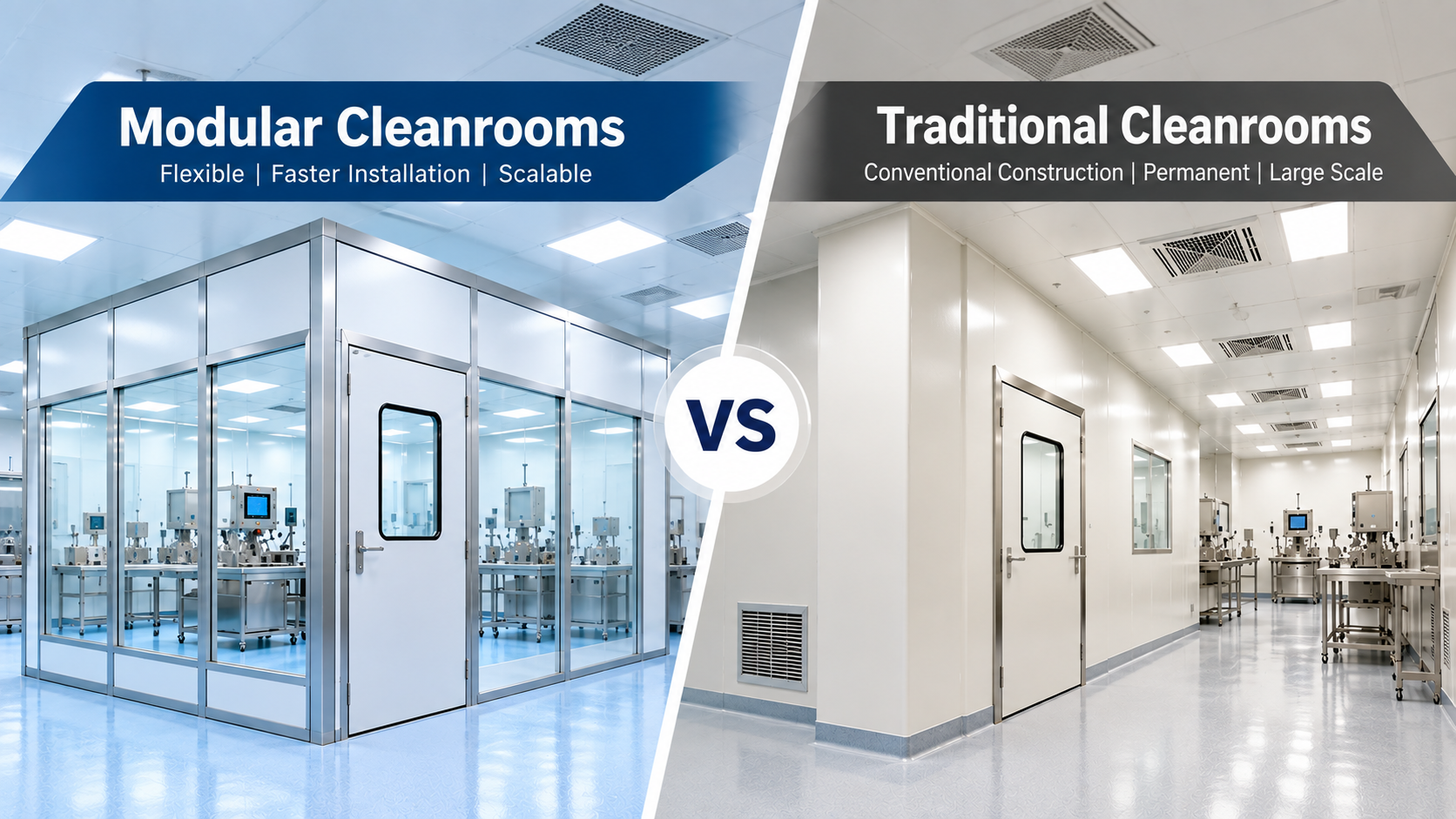
Every pharma factory of today is required to be built in accordance with the good manufacturing practices (GMP). It would be necessary to plan the manufacturing section of the facility in such a way that it prevents contamination and ensures hygiene. The installation of such a factory increases the quality of its output.
7. Equip the Factory
The equipment required in a pharma factory will depend on the type of products it manufactures. This will typically include various machines such as mixers, granulators, tablet press, coating machine, capsule fillers, packaging machines, and testing equipment.
8. Hiring Qualified Professionals
The pharma factory must have qualified pharmacists, production managers, microbiologists, quality assurance personnel, quality control technicians, engineers, and machine operators. The ongoing training of employees will guarantee that the GMP requirements are met and manufacturing is more efficient.
9. Establishing Quality Control Processes
Quality assurance is the key element of any pharma factory. The testing of raw materials, packaging materials, in process samples, and end products is essential. SOPs, documentation, validation, and batch records are needed to ensure high-quality products and meet the regulatory requirements.
10. Creating a Distribution Channel
After the start of manufacturing, your pharma factory must develop an effective distribution strategy. Cooperate with pharmaceutical distributors, hospitals, pharmacies, wholesalers, and health care organizations. You can also use such options as contract manufacturing, private labeling, and exporting to attract more customers. An effective marketing strategy will allow you to expand your business faster in the pharmaceutical market.
Investment Requirement
The amount of investment that goes into setting up a pharma factory differs according to production capacity and the kind of products that need to be manufactured. A smaller production unit would require investment of between ₹2–5 crore, whereas bigger production units would require much higher investments. This investment would cover costs of land, construction of buildings, machinery, cleanroom facility, laboratory facilities, license, manpower, and so on.
Conclusion
Setting up a pharma factory in India requires careful planning, regulation, quality infrastructure, and qualified manpower. Although the initial investment is quite high, there are many advantages of India’s flourishing pharma industry. By following GMP requirements, securing the required licenses, investing in latest manufacturing technology and implementing quality infrastructure, your pharma factory would create a good reputation in the local and international markets.
Visit our website for more info:https://dozreich.com/
Follow for more:https://www.linkedin.com/company/dozreich/